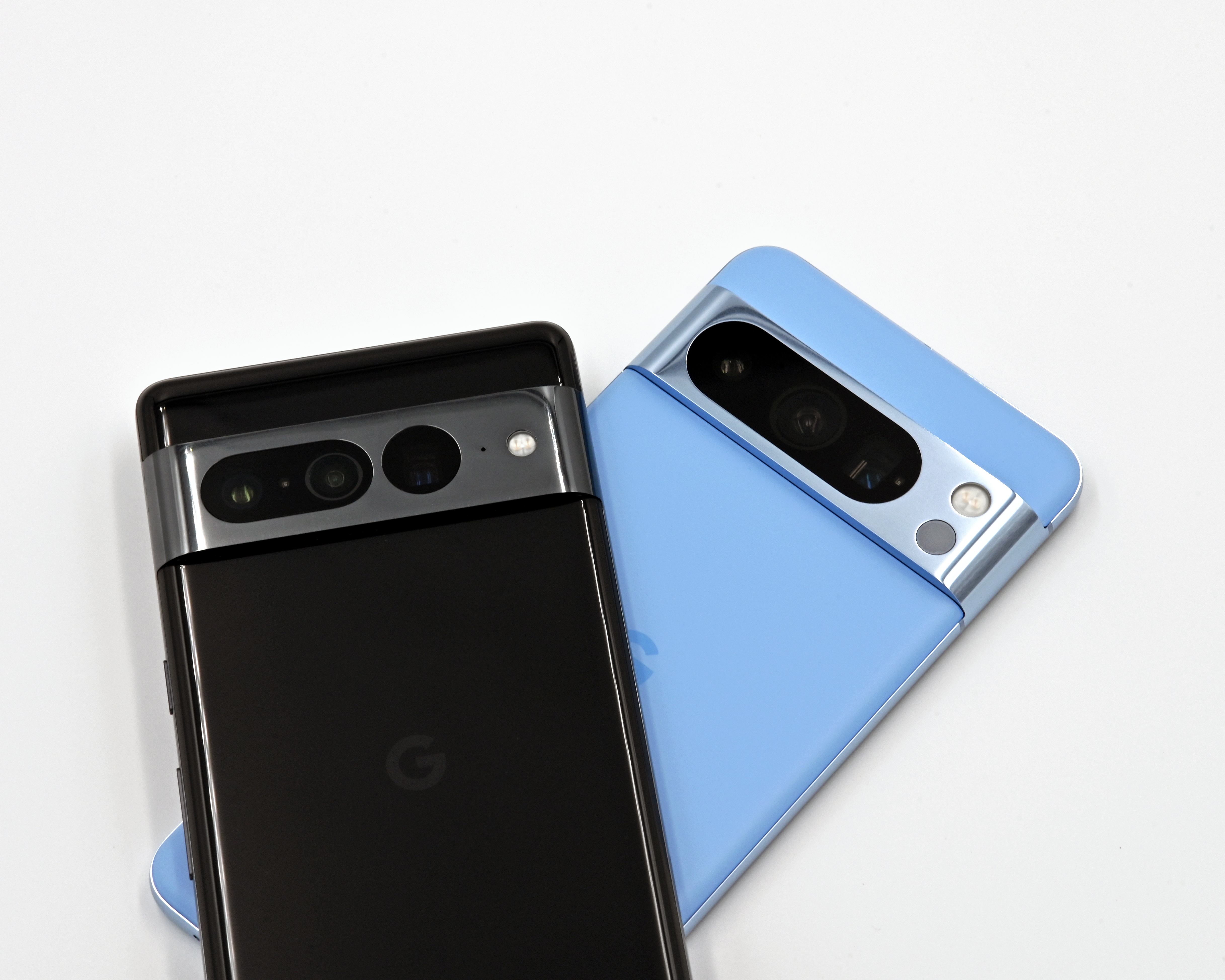
The Google Pixel 10 is the sort of phone reviewers enjoy and owners must explain. Its camera is dependable, the software is clean and the size is refreshingly manageable. Then somebody asks why an expensive 2025 flagship charges so slowly, why a service-centre visit can feel uncertain, or why several clever AI features are less useful in Indian languages than the launch presentation implied.
I judge phones on the second monsoon, not the first weekend. By then the novelty has gone, the battery has aged, storage contains real life and a cracked screen is a financial problem rather than a durability bullet point. On that test, the Pixel 10 is good but awkwardly priced for India.
The hardware is pleasant, not dominant
The base Pixel finally gained a dedicated telephoto camera, making it more flexible than earlier non-Pro models. The Gadgets 360 review records the useful essentials: a 6.3-inch display, 12GB of memory, 256GB of storage, a 4,970mAh battery and seven years of software support. It also found roughly a day of ordinary battery life and a full charge taking close to 100 minutes.
Those numbers describe the ownership conflict. A compact phone is easier to hold, but battery capacity and cooling become harder. Google’s choice is reasonable; the price asks buyers to tolerate the compromise as though it were a virtue. Rival Android phones offer faster charging and stronger sustained performance for less money.
The Tensor chip is designed around Google’s software and machine-learning ambitions, not benchmark leadership. I am fine with that. Most people do not render video while gaming in direct sunlight. What matters is whether the phone remains cool and responsive across navigation, camera use, payments and unreliable mobile networks. Tensor Pixels have not always inspired confidence there, so long-term thermal behaviour matters more to me than one synthetic score.
The camera remains the persuasive reason to buy. Google generally produces a usable photograph without asking the owner to understand colour science. But competitors have caught up in still images while often doing better at charging, zoom hardware or video consistency. “Buy the Pixel for the camera” is no longer a complete argument.
Seven years must include repairable years
Long software support is genuinely valuable. It improves security, extends resale life and reduces the absurd idea that a functional phone expires after three Android versions. Yet a seven-year update policy needs batteries, screens and ports available at sane prices for seven years. Software longevity without repair capacity is an accounting trick.
Google has expanded its Indian retail and service presence, but buyers should check actual arrangements in their city before paying. Pickup service is not equivalent to walking into a broad authorised network, especially when the phone contains work credentials and payment apps. Turnaround time becomes part of product quality.
The strongest argument for waiting is Google’s own cheaper model. The Pixel 10a review from Gadgets 360 shows how much of the basic Pixel experience has moved downmarket. Buyers paying flagship money should demand advantages that remain obvious after the launch discount disappears.
I would also price accidental damage before purchase. Premium glass phones turn one fall into a repair-versus-replacement calculation. A case helps, but it makes a compact phone thicker and hides the design for which buyers supposedly paid. Manufacturers celebrate material sophistication while transferring fragility costs to owners.
AI demonstrations age faster than batteries
Google markets contextual assistance, camera coaching and generative tools as central features. Some are clever. Most owners will use a small subset repeatedly and forget the rest. The useful questions are mundane: does call screening work reliably with Indian numbers, accents and languages? Does transcription handle mixed Hindi and English? Are features processed locally, and what data leaves the device?
AI also complicates the seven-year promise. A feature may depend on cloud infrastructure, regional approvals or a subscription introduced later. Hardware remains in your hand; service terms do not. I would never justify a flagship price mainly through features whose future availability the buyer cannot control.
The Pixel’s clean interface is more durable value. Fewer duplicate apps, prompt updates and coherent settings improve every day of ownership. Yet even this advantage has narrowed as rivals lengthen support and reduce the worst software clutter. Google must compete as a hardware company, not merely as Android’s landlord.
Who should actually buy it
Buy the Pixel 10 if you want a manageable size, dependable point-and-shoot photography, clean Android and long update support—and if authorised service in your city is satisfactory. It is particularly sensible at a substantial sale price. Keep it away from full-price launch hysteria.
Do not buy it if fast charging matters, you game heavily, you travel where service access is thin, or you expect every rupee of flagship pricing to appear in the hardware. A cheaper OnePlus, Samsung or capable mid-range model may create fewer moments of delight but less ownership friction.
The counterargument is that premium phones are emotional purchases. Certainly. A product can be worth more because its interface, camera and dimensions make the owner happy. My objection is to disguising preference as objective superiority. The Pixel 10 has a distinct character; it does not have an unbeatable value proposition.
After two years, the winning feature will not be the launch keynote’s newest acronym. It will be a healthy battery, an intact USB port, current security patches and an affordable repair path. Google has solved the patch horizon. India still needs proof that the rest of the ownership system can last as long as the promise.