Indian carmakers have perfected the art of turning a straightforward purchase into an entrance examination. A buyer enters wanting a compact city car and leaves comparing connected lamps, voice commands, alloy-wheel patterns and trim names apparently generated by a gaming company. The updated Tata Tiago EV deserves better than this ritual because its core proposition is refreshingly simple: it is a small, easy electric car for daily urban use.
I like vehicles that understand their job. The Tiago EV is not an interstate grand tourer, an off-road fantasy or a rolling nightclub. It can be the only car for many households if daily distances are predictable and home charging is possible. Tata should sell that honesty instead of encouraging buyers to climb the variant ladder for equipment they will stop noticing before the first service.
The city car India actually needs
Autocar India’s review of the 2026 Tiago EV notes refreshed styling, improved cabin features, faster charging and a longer battery warranty. More revealingly, Tata says a large share of owners are first-time buyers and many households use it as their only car. That demolishes the lazy assumption that an affordable EV is merely a wealthy family’s second toy.
The Tiago’s strengths are ordinary: compact dimensions, light controls, useful visibility and comfortable low-speed ride. These qualities matter every day in crowded markets and narrow parking spaces. A panoramic roof does not make a car easier to place beside a delivery scooter. A larger touchscreen cannot repair poor suspension tuning. Tata has wisely retained the fundamentals.
Instant low-speed response suits stop-start traffic, and regenerative braking can reduce fatigue once a driver adapts. The quietness also makes short trips less abrasive. None of this needs futuristic language. An EV can be better simply because urban driving is mostly low-speed repetition.
Choose battery by routine, not ego
The Tiago EV offers different battery sizes. Buyers instinctively reach for the larger number because range anxiety has become an effective salesperson. I would begin with a month of actual driving. Record daily distance, longest routine journey, parking access and frequency of highway trips. Purchase around the pattern, with a sensible buffer.
A smaller battery can be lighter, cheaper and entirely adequate for a city user travelling modest distances with reliable overnight charging. Paying substantially more for capacity used twice a year may be poor value. Conversely, someone without dependable home charging should not choose the smaller pack merely to reach an attractive advertised price.
Claimed range is not personal range. Air-conditioning, speed, weather, gradients, traffic and driving style alter consumption. Owners quickly learn their car, but sales staff should discuss realistic scenarios instead of reciting certification figures. Tata’s larger electric models and the real-world charging tests across current EVs show why measured behaviour matters more than headline capability.
Home charging is part of the price
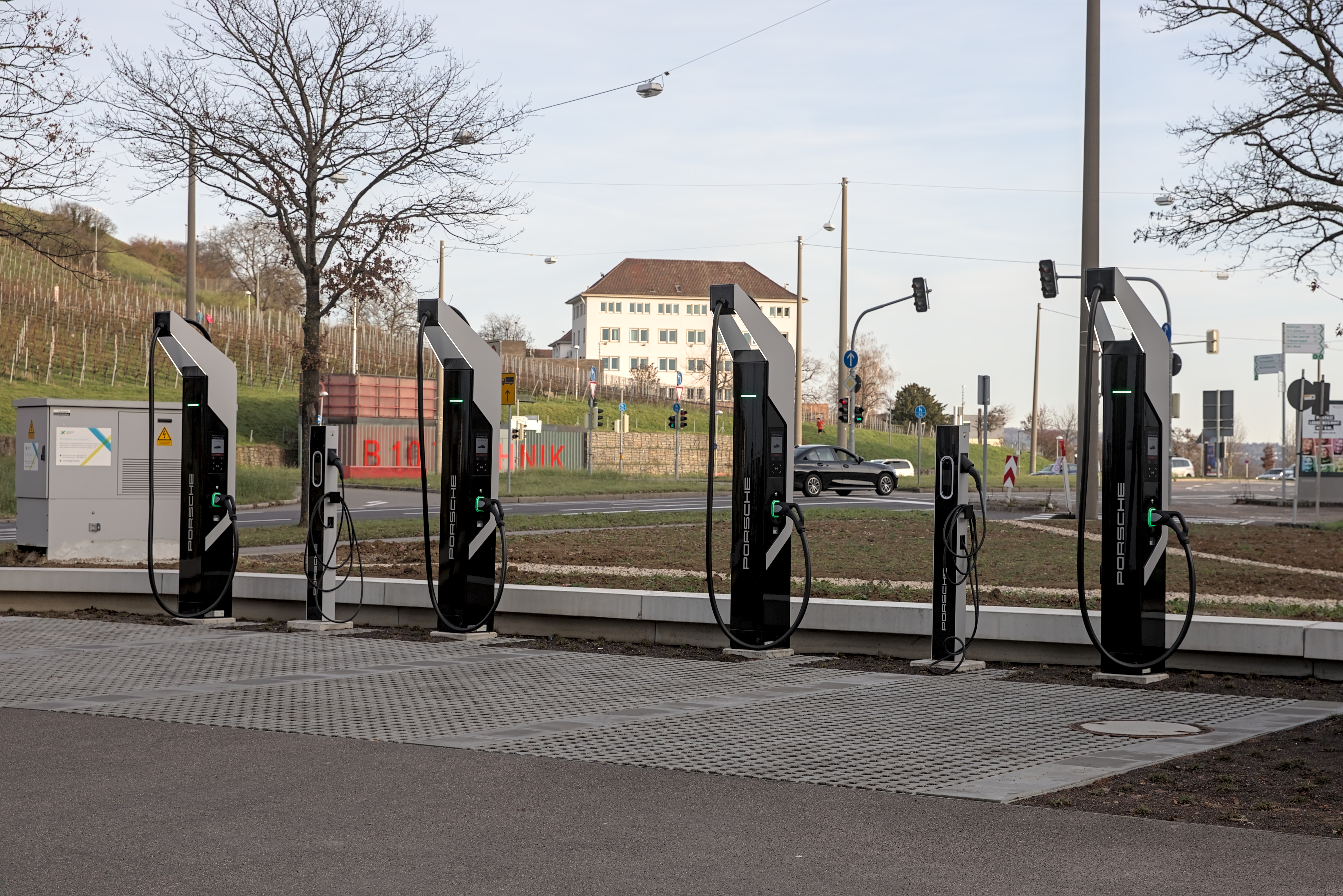
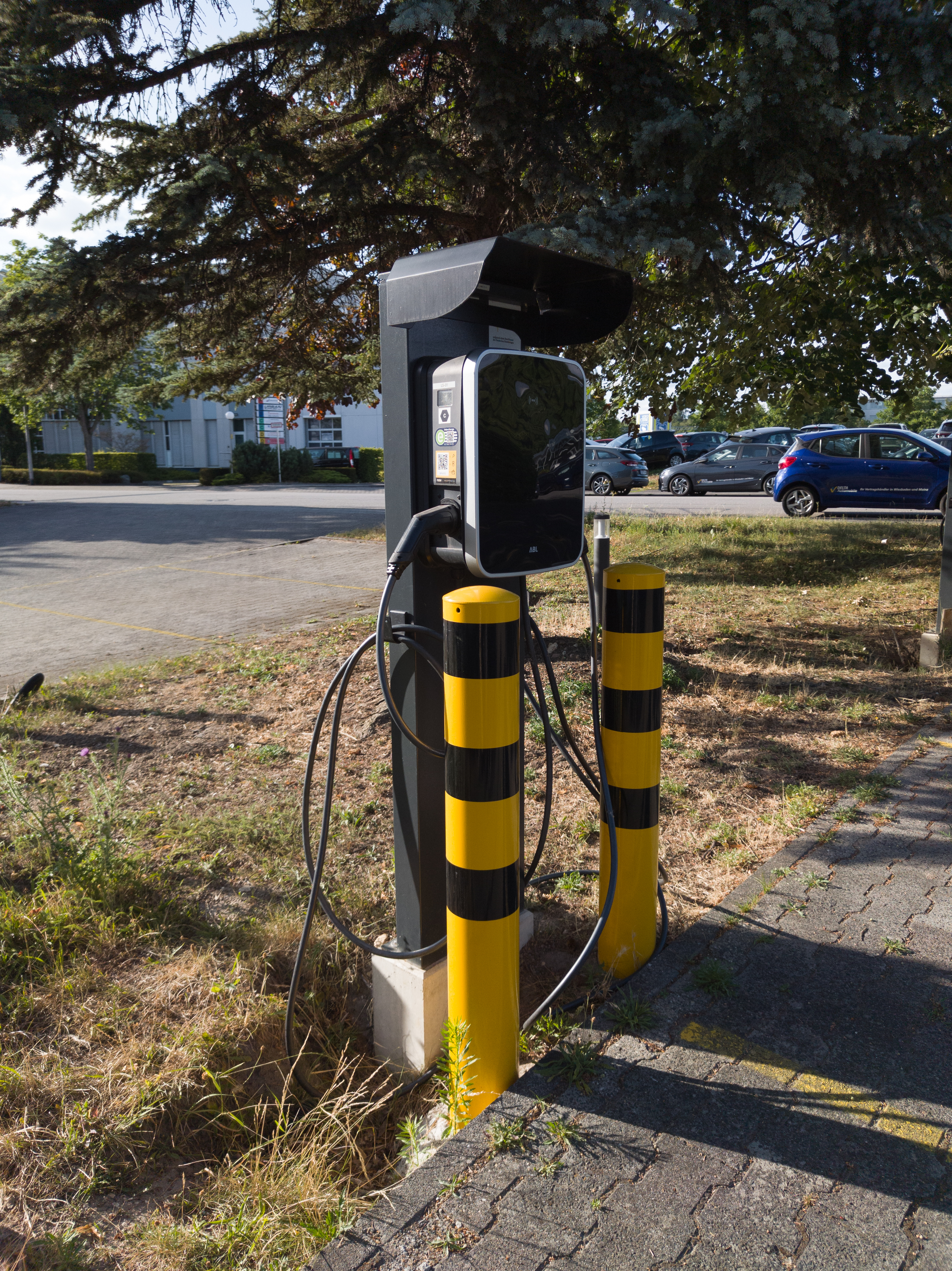
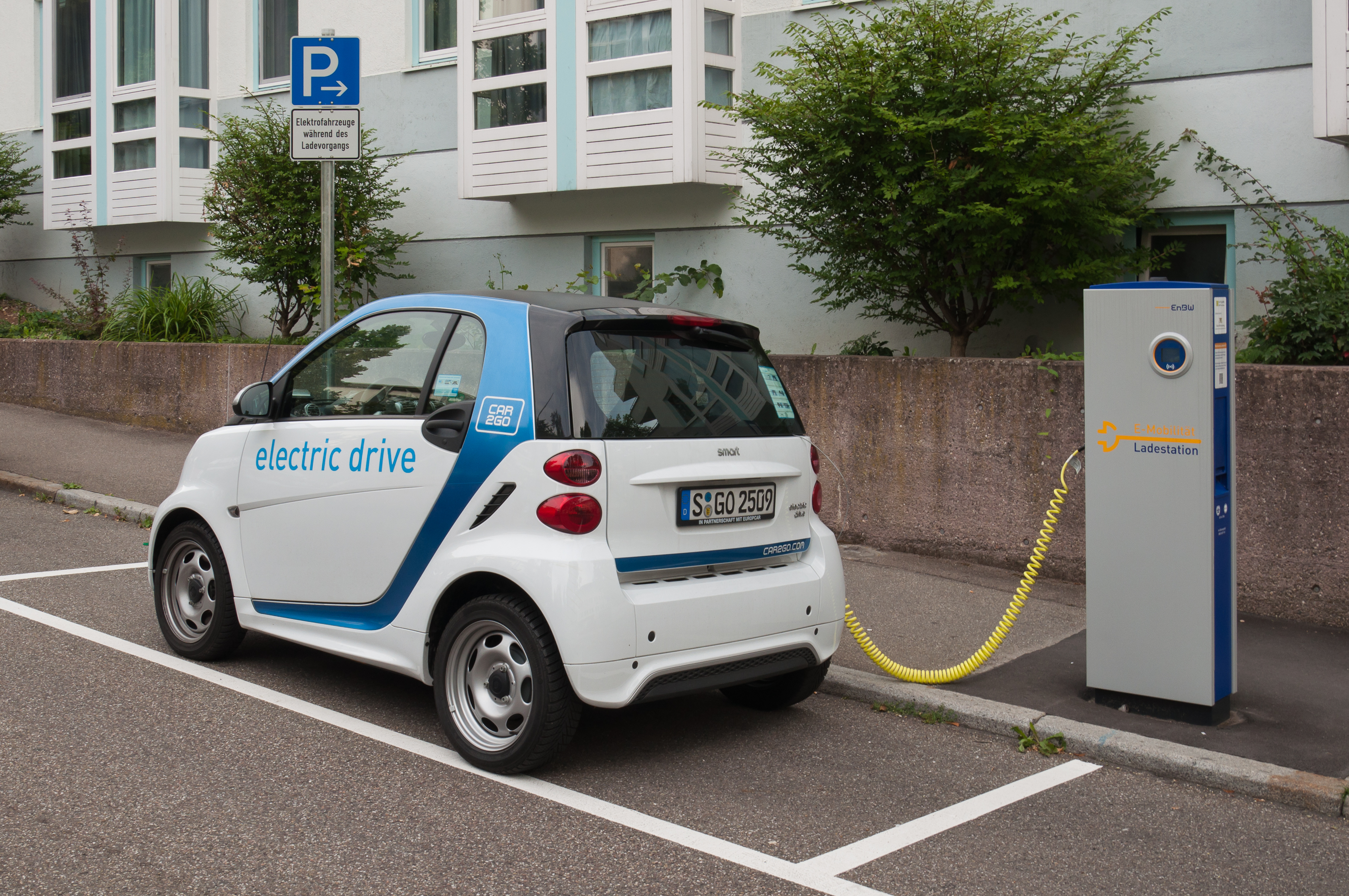
An EV buyer with dedicated parking and a properly installed charger owns a different product from somebody dependent on public stations. Overnight charging turns the car into an appliance: plug in, wake up, drive. Public dependence introduces detours, queues, app failures and variable pricing.
Dealers should survey installation feasibility before taking a booking, particularly in apartment complexes. Cable routing, electrical load, permissions and metering can become the hardest part of ownership. A cheerful promise that “our team will manage” is not a plan. Buyers should receive a written assessment and total cost.
I would spend on safe electrical work before spending on a cosmetic top trim. Earthing, protective devices and a competent installer deliver more value than illuminated badges. The charger is not an accessory; it is the fuel station you are adding to your home.
Do not buy the trim brochure
The updated cabin brings welcome conveniences, but the value sweet spot rarely sits at the top. Large screens and connected functions age faster than mechanical fundamentals. A feature that requires a subscription, mobile signal or temperamental app should be discounted mentally before purchase.
Prioritise safety equipment, rear defogging, usable cameras, comfortable seats, necessary charging capability and tyres. Evaluate whether rear passengers have proper head restraints and whether the absence of a spare wheel suits your driving environment. The Autocar review notes practical compromises such as the puncture kit; buyers should imagine using one on a wet roadside before accepting the industry’s weight-saving logic.
Top variants often approach larger or more capable cars. That is where a sensible hatchback can lose its argument. If your chosen Tiago EV becomes expensive enough to trigger comparisons with a larger Punch EV, step back and decide whether you are buying transport or collecting features.
Reliability is the test Tata must pass
Tata’s EV leadership has given it valuable experience, but owners have also made service consistency a recurring subject of discussion. The mechanical simplicity of an electric drivetrain does not eliminate software faults, charging issues, rattles or weak dealership diagnosis. A car is only as reliable as the network’s ability to identify and fix its problems.
Prospective buyers should visit the service centre, not just the showroom. Ask how many EV-trained technicians are present, whether high-voltage work is performed locally, what common parts are stocked and how breakdowns are handled. Speak to owners in the same city. National reputation matters less than local competence.
The longer battery warranty is reassuring, but buyers must read conditions, transfer provisions and exclusions. A warranty is a contract, not a mood. Keep service records and understand which usage or damage may affect coverage.
Highway ambition needs restraint
Can the Tiago EV travel between cities? Of course. Should its purchase be justified through heroic charging itineraries? Probably not. Its natural territory is the city and nearby journeys. Regular long-distance drivers should consider larger-battery vehicles or efficient combustion alternatives depending on routes.
Public charging reliability is improving unevenly. A station displayed on an app may be occupied, inaccessible or slower than expected. Small-battery cars require more planning, and high-speed running consumes energy quickly. Occasional trips can be enjoyable if approached with time and backup options. Frequent trips turn planning into labour.
This is not an insult to the Tiago. A hatchback need not perform every automotive role to be good. Indian buyers sometimes demand that one purchase commute, tour, carry furniture, cross floods and impress relatives. Compromise becomes inevitable. The right question is which compromise matches the majority of use.
The financial argument
Low running cost attracts buyers, but savings depend on kilometres, electricity tariffs, finance costs and the price difference from a petrol car. Calculate with conservative efficiency and include charger installation, insurance and likely tyre use. Do not allow a salesperson to multiply an ideal fuel saving across a decade while ignoring interest.
Resale remains less predictable than for established petrol hatchbacks. Battery warranties and growing used-EV knowledge should help, but buyers planning a quick sale should be cautious. The best economic case belongs to owners who drive enough, charge cheaply and keep the car for years.
My specification
I would choose a mid-level trim with the battery that covers ordinary weekly driving comfortably, install reliable home charging and decline most dealer accessories. I would test the exact car for software functions, charging and panel noises before delivery. I would also keep a portable puncture solution I trust.
The Tiago EV’s virtue is not glamour. It offers quiet, simple city mobility in a familiar hatchback shape at a price that brings electrification closer to ordinary buyers. Tata should protect that value through quality control and competent service.
Ignore the animated screens in the showroom. Measure your commute, inspect your parking and select the unexciting variant that does the job. The most satisfying car is often the one that stops auditioning for your attention after you buy it.