Delhi’s commentariat has a reliable ritual. It demands a reform for decades, greets its enactment with suspicion, and then denounces the mechanics of implementation as proof that the reform was never sincere. The women’s reservation law has received precisely this treatment. The Constitution was amended to reserve one-third of seats in the Lok Sabha and state assemblies for women, yet the provision is linked to the first delimitation exercise after the first Census conducted following the amendment. Instead of discussing how that enormous redesign should work, much of the INDIA alliance has preferred the easier line: implement it immediately, details be damned.
I want the reservation operational quickly. I also want it operational constitutionally, predictably and without turning federal representation into a street brawl. Those aims are not enemies. The government deserves credit for finally passing a measure Parliament had allowed to stagnate through years of pious speeches. But credit is not a blank cheque. With Census 2027 now scheduled, the Centre must explain the road from enumeration to delimitation to the first election under the new arrangement. The clock is no longer theoretical.
A law is more than its applause line
The Constitution (One Hundred and Sixth Amendment) Act, 2023 created the framework commonly called the Nari Shakti Vandan Adhiniyam. Its text is worth reading because it is considerably more useful than panel-show paraphrase. Reservation begins after a delimitation exercise undertaken on the basis of the first post-amendment Census, and the reserved seats will rotate after subsequent delimitations as Parliament determines.
That linkage is attacked as a delaying device. I understand the suspicion: Indian politics has a long museum of good intentions stored behind future conditions. Yet the criticism often skips the operational problem. Which constituencies will be reserved? On what population base? How will Scheduled Caste and Scheduled Tribe reserved seats interact with the women’s quota? If constituencies are about to be redrawn, is it wise to designate seats on an obsolete map and then redesign the scheme immediately afterward?
The opposition answer is usually that Parliament can simply find a way. Of course it can legislate another way, but “simply” is doing comic work. Seat reservation affects candidates, parties, voters and the relationship between population and representation. A scheme improvised for one election could invite litigation and political resentment before the first woman files her nomination.
I am especially unimpressed when Congress presents itself as the cheated custodian of the reform. The party governed India for long stretches while the bill repeatedly failed. It can fairly argue for faster execution and an OBC sub-quota; it cannot airbrush its own institutional hesitation and then lecture everyone else about urgency. Nostalgia is not a legislative record.
Delimitation is the argument beneath the argument
The real anxiety is not women’s reservation alone. It is the redistribution of Lok Sabha seats after the long freeze on interstate allocation. Southern states fear that success in reducing fertility may cost them relative parliamentary weight, while faster-growing northern states argue that equal representation requires constituencies of more comparable population. Both concerns have democratic force. Anyone telling you the answer is obvious is selling regional reassurance, not constitutional design.
The Constitution’s delimitation provisions and the current freeze make the post-Census exercise unusually consequential. The Election Commission’s explanation of delimitation describes the independent commission process and the objective of readjusting constituency boundaries and reserved seats. But the coming exercise could go beyond boundary lines if Parliament addresses the interstate distribution of seats.
Here is where I part company with reflexive cheerleaders. The Modi government cannot unveil a formula late and expect southern states to accept it as administrative housekeeping. Tamil Nadu, Kerala, Karnataka, Andhra Pradesh and Telangana need early, formal consultation. Their voters should not be told that demographic responsibility was foolish. Nor should citizens in Uttar Pradesh or Bihar remain permanently underrepresented because their states had different development trajectories.
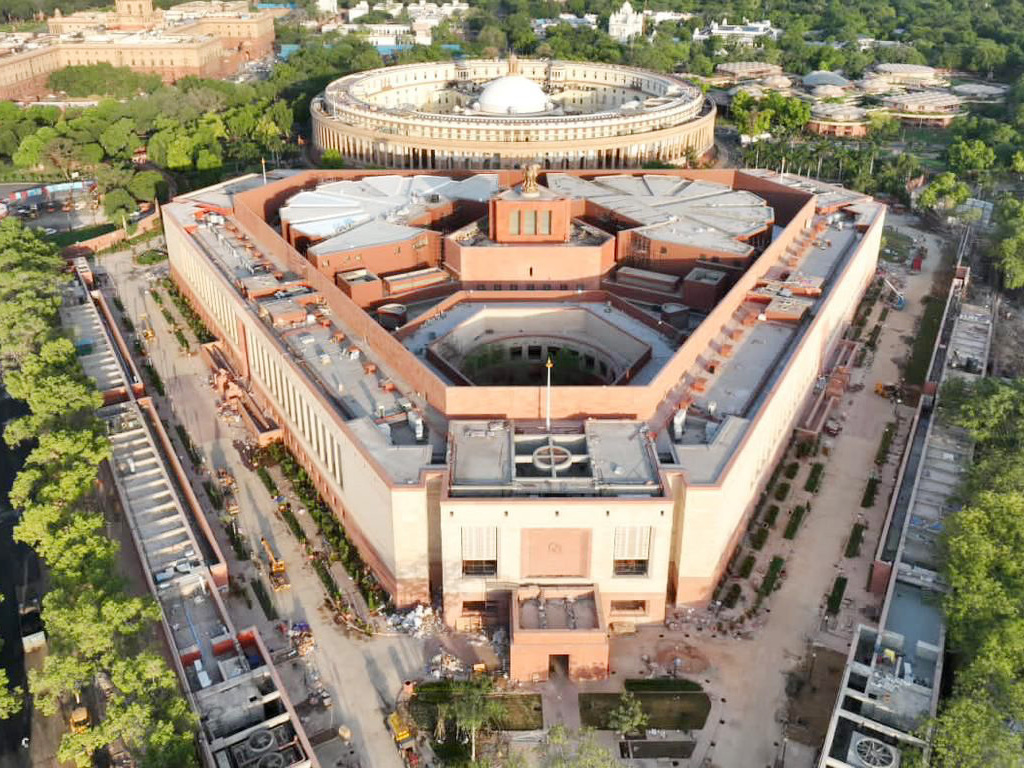
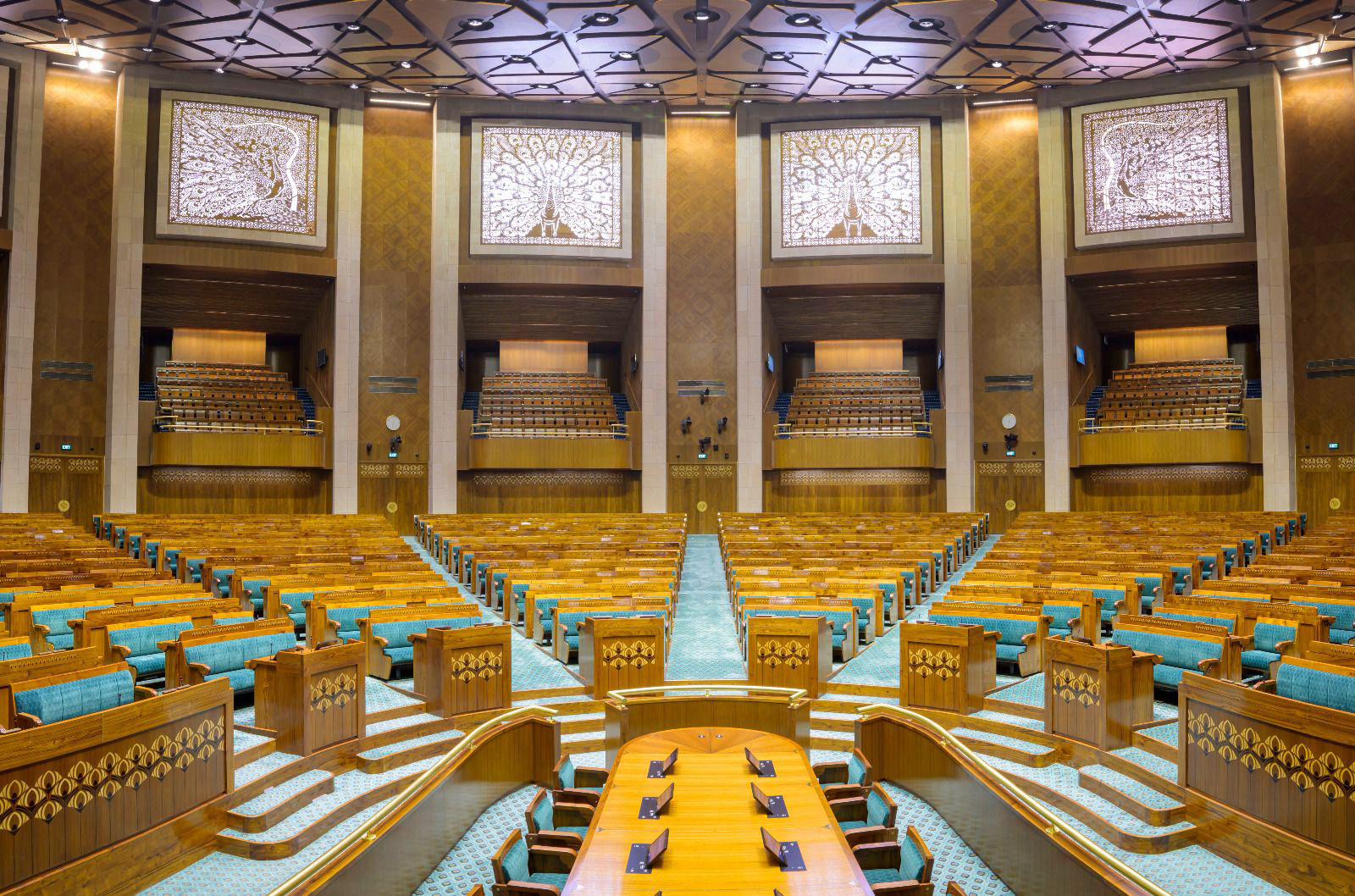
A larger Lok Sabha is the most plausible escape from the zero-sum trap. Increase the total number of seats substantially, give growing states additional representation, and protect the smaller relative losses of states that controlled population growth. The new Parliament building was designed for a larger chamber, which makes physical capacity less of an excuse. But the principle and formula require public argument. I would rather watch months of serious federal negotiation than one week of manufactured surprise.
Women’s reservation makes that conversation more urgent. If one-third of seats are to be reserved, the size and shape of the House will determine how many women enter and which constituencies rotate. A badly sequenced delimitation could allow every party to blame the map for its own candidate choices. A well-sequenced process could produce the largest structural change in Indian representative politics since the republic’s early decades.
Parties should stop outsourcing responsibility
There is another fact political parties dislike: they do not need constitutional compulsion to nominate more women. They have always possessed that power. The poor share of women candidates is not caused by a missing Census. It is caused by party leaderships that speak of empowerment while distributing tickets through incumbent networks, family connections, money and calculations of “winnability” built from yesterday’s prejudices.
The BJP is not exempt. Passing the amendment was significant, and fielding prominent women leaders matters, but the party should raise women’s representation voluntarily during the transition. If it waits for reserved constituencies before trusting women in open seats, it will prove that law changed its arithmetic without changing its culture. Congress and regional parties face the same test, however loudly they demand instant implementation.
I also resist the patronising assumption that women legislators form a single policy caucus. They will disagree about taxes, religion, welfare, national security and feminism itself. Good. Reservation is not valuable because women possess mystical consensus; it is valuable because a representative institution that systematically filters out half the population has a legitimacy problem. The objective is political presence, not ideological uniformity.
Rotation needs care too. If seats change too frequently, legislators may have weak incentives to build long-term constituency relationships, and parties may treat women as one-cycle placeholders. The law leaves Parliament room to determine rotation after delimitations. That room should be used to create reasonable tenure stability, not to distribute opportunities among party factions.
Publish the road map
The Centre can quiet legitimate doubt without accepting the opposition’s melodrama. It should publish an indicative sequence: completion of the Census, release of provisional population totals, the legislative framework for interstate seat allocation, constitution of the delimitation body, consultation, draft maps, objections, final orders and a realistic election date for reservation to begin. Some dates will depend on fieldwork and litigation, but uncertainty is not a reason for silence.
It should also state whether it intends to enlarge the Lok Sabha, how it will protect federal balance and how women’s reservation will interact with the rotation of SC and ST seats. These are not concessions to Lutyens Delhi. They are answers owed to voters.
The INDIA alliance, meanwhile, should offer its own formula rather than merely a deadline. Does it support a larger House? What population basis does it favour? How would it address southern concerns? Would it rotate reserved seats every election? An opposition is entitled to criticise, but one that aspires to govern should occasionally reveal what it would do after the slogan lands.
I remain broadly sympathetic to the government because it accomplished the constitutional step others discussed for years and because linking reservation to a fresh count has an administrative logic. But sympathy should sharpen expectations. Census 2027 converts a distant promise into a near-term state project. The government must now make the chain of implementation visible.
For too long, women’s representation has been a prop in parliamentary theatre: displayed, praised and returned to storage. The amendment broke that pattern. The next danger is not only delay; it is a rushed delimitation framed by competing regional panics and then blamed on women’s reservation. Serious politics can avoid that outcome. The question is whether our parties prefer building the machinery of representation to manufacturing outrage about it. I know which activity television rewards. I also know which one the republic needs.