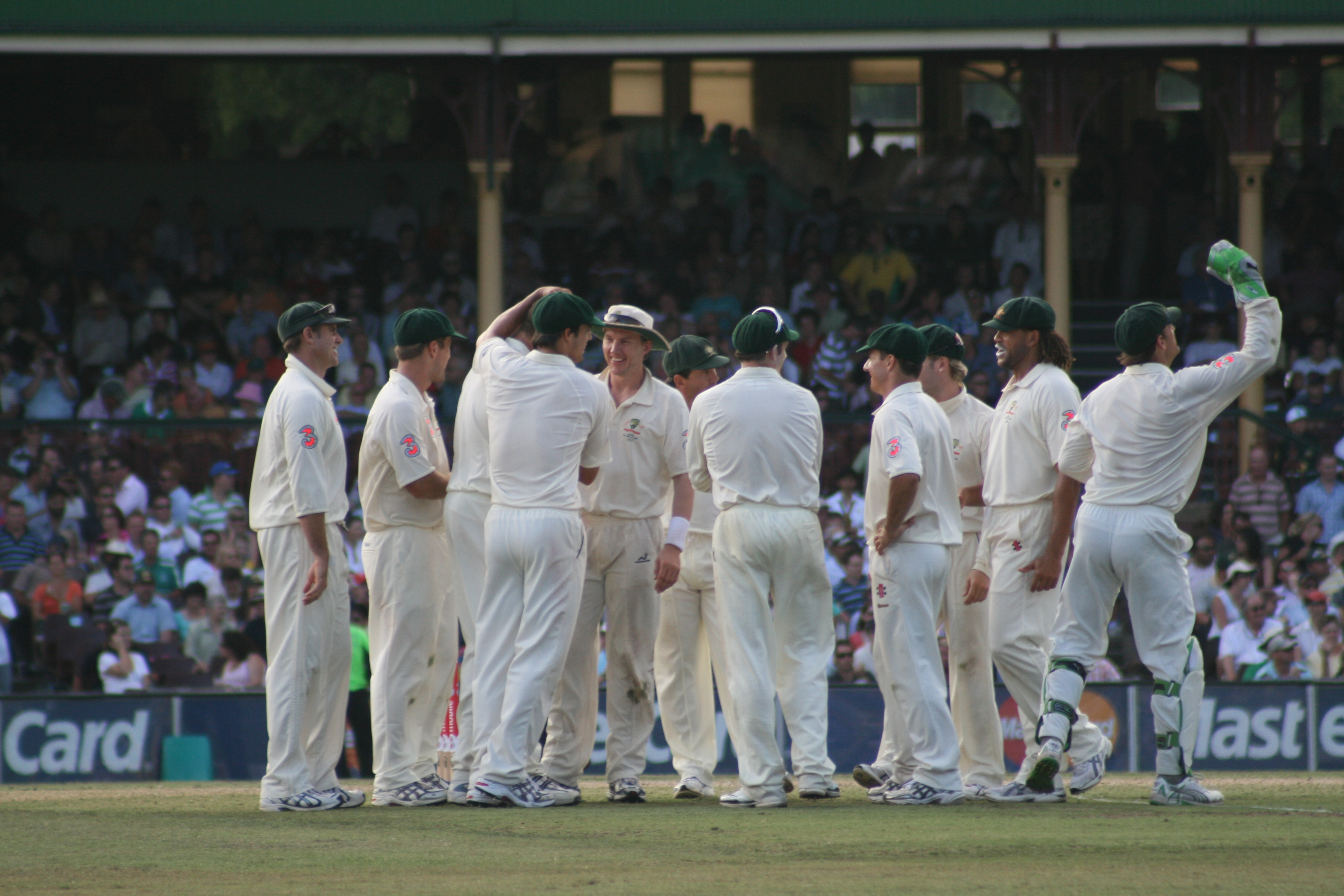

I watched India’s Asian Games cricket campaign with pleasure and a nagging irritation. The players did what elite Indian cricketers now routinely do: arrived with expectations heavier than their kit bags, won under compressed conditions and supplied broadcasters with another medal ceremony. At roughly the same time, another Indian side had international obligations elsewhere. Administrators will present this abundance as proof of depth. They are not entirely wrong. India can now assemble several formidable white-ball teams without borrowing a wicketkeeper from the commentary box. But I cannot shake the suspicion that the BCCI has confused the ability to fulfil every fixture with the wisdom of accepting every fixture. Test cricket is not being murdered in a dramatic boardroom coup. It is being crowded out, one commercially defensible date at a time.
Two Indian teams are a boast and a warning
The Asian Games schedule showed the sheer breadth of India’s sporting programme and placed cricket inside an already dense national calendar. Cricket’s inclusion is worthwhile. A continental medal has value to athletes and fans, and I reject the snobbery that dismisses a T20 tournament merely because it is short. Yet the scheduling collision around the Games exposed a deeper habit: every competition is treated as separately non-negotiable. A bilateral series must proceed because contracts exist. A multi-sport event must receive a strong squad because medals matter. Franchise windows must remain untouched because revenue rules the ecosystem. The only flexible item is the physical and mental capacity of players.
Depth disguises the cost. When India fields one team in a marquee tournament and another in a bilateral series, viewers are told to marvel at the bench. I marvel too, briefly. Then I ask what message reaches a young cricketer. Is he being developed toward a coherent international role, or rotated through whichever property needs content that week? Formats demand distinct techniques and rhythms. A batter preparing for the patience of a five-day match cannot endlessly alternate between red-ball discipline and powerplay improvisation without a price. A fast bowler is not a downloadable resource. His workload accumulates in knees, ankles and backs even when a selection spreadsheet labels him “available.”
The BCCI is not uniquely villainous. Broadcasters pay enormous sums, boards rely on Indian tours and supporters happily consume the matches we later claim should not have been scheduled. I include myself in the hypocrisy. Put an India game on television and I will find a reason to check the score. Demand creates supply. But a governing body is supposed to exercise stewardship rather than behave like an algorithm maximising minutes watched. Its responsibility includes protecting forms of the game whose value unfolds slowly and cannot always win a short-term bidding contest.
Test cricket requires deliberate scarcity
A good Test series needs anticipation. Squads should arrive after meaningful first-class preparation, not a hurried net session between flights. Fast bowlers should be chosen because they are ready to bowl repeated spells, not because a workload model says they can survive four days if the match ends early. Batters need time against the red ball on surfaces that punish technical looseness. When scheduling removes those conditions, the board may still stage a Test, but it has weakened the cricket before the toss.
The BCCI’s own institutional platform understandably celebrates fixtures, squads and results. What I want alongside them is a transparent statement of red-ball priorities. How many first-class matches should a fringe Test player complete? Which international windows are protected from franchise overlap? How are fast bowlers rested without making Tests the format they miss? What is the minimum length of a home series that deserves to be called a series? These questions cannot be left to individual selectors because the calendar determines the options available to them.
I would establish two protected Test blocks each year and treat them as the spine of India’s programme. Players in the Test core would receive preparation periods and, where possible, domestic red-ball appearances beforehand. White-ball bilaterals should bend around those blocks. If that means declining a forgettable three-match series, decline it. Scarcity could improve commercial value by making each contest matter. We are currently doing the opposite: manufacturing so much cricket that even excellent performances dissolve into the next thumbnail.
The counterargument is financial. Indian cricket funds domestic tournaments, women’s cricket, infrastructure and much of the world game. Bilateral commitments sustain other boards. That is true and important. But revenue is not maximised only by adding inventory. Product fatigue is real. Empty seats and indifferent audiences eventually discount rights. Test cricket supplies heritage, dramatic range and legitimacy that a diet of interchangeable T20s cannot reproduce. Treating it as a loss leader misunderstands the brand. The five-day game is the institution’s memory; without it, Indian cricket becomes a busy entertainment service with a magnificent archive it no longer knows how to extend.
Selection must stop rewarding permanent availability
Congestion also distorts selection. The most available player becomes the most useful player, even when another may be better suited to a format. Multi-format stars are asked to carry leadership, marketing and performance obligations until rest becomes controversial. Specialists wait, then enter without rhythm and are judged instantly. A rational system would create larger format-specific cores, communicate roles and make rotation a planned feature rather than an emergency euphemism. Rest should not look like punishment, and selection should not depend on whether a player can catch a flight after a final.
I am especially concerned about fast bowling. India spent decades wishing for a battery of quicks, finally built one, and now risks consuming it like complimentary hotel stationery. Workload management cannot mean withdrawing bowlers from domestic cricket while keeping them fresh for the most lucrative assignments. It must be linked to cricketing priority. If Tests are genuinely central, the best suitable bowlers should reach them prepared. Young quicks should also play enough long-form cricket to learn how to construct spells after the ball stops swinging. Four overs teach execution; twenty overs teach invention.
Domestic cricket suffers when the international calendar becomes a permanent emergency. The Ranji Trophy should not function merely as a rehabilitation clinic or audition room visited by stars under instruction. Its quality depends on sustained participation by strong players. I would reward Test aspirants for full red-ball seasons, improve scheduling so leading players can appear more often and ensure pitches encourage varied skills rather than predetermined results. The pathway must feel like a competition in its own right, not a waiting area outside the IPL lounge.
Winning everything is not the same as valuing everything
India’s cricket depth is a triumph of investment, aspiration and the IPL economy. I am not nostalgic for an era when an injury forced us to pray over a replacement’s bowling average. But depth should enable choice. It should allow the BCCI to say no to low-value fixtures, protect athletes and stage better Test series. Instead, it has become the argument for accepting still more cricket: if one group is tired, deploy another. That logic treats players as parallel processing units and supporters as an inexhaustible attention reserve.
I do not want fewer opportunities for emerging cricketers. I want opportunities with context. An A tour with red-ball matches may do more for a future Test batter than a hastily assembled international T20. A well-promoted domestic match can reveal more than another bilateral whose result nobody remembers by Thursday. The board should publish a four-year cricketing plan that ranks competitions by developmental and historical value, not merely contractual obligation.
My fear is not that Test cricket will vanish tomorrow. It is that it will survive ceremonially while losing the preparation, continuity and jeopardy that make it compelling. India will still wear whites, play the anthem and produce highlight reels. Yet series will be shortened, specialists undercooked and stars intermittently available. That is preservation in the museum sense. I want a living format. The BCCI has enough money and talent to protect it without abandoning modern cricket. What it lacks is the willingness to leave profitable dates empty. Sometimes stewardship begins with a blank square on the calendar.