Electric-car sales in India have reached the point where sceptics can no longer dismiss them as toys for early adopters. That is the good news. The uncomfortable news is that every increase in sales sends more drivers into a charging network designed as though reliability were optional.
September 2026 retail data reported by Autocar Professional showed strong electric-vehicle growth, while the government’s PM E-DRIVE portal sets out the policy framework supporting adoption and infrastructure. I welcome the momentum. I also think an EV transition measured mainly in registrations risks congratulating itself too early.
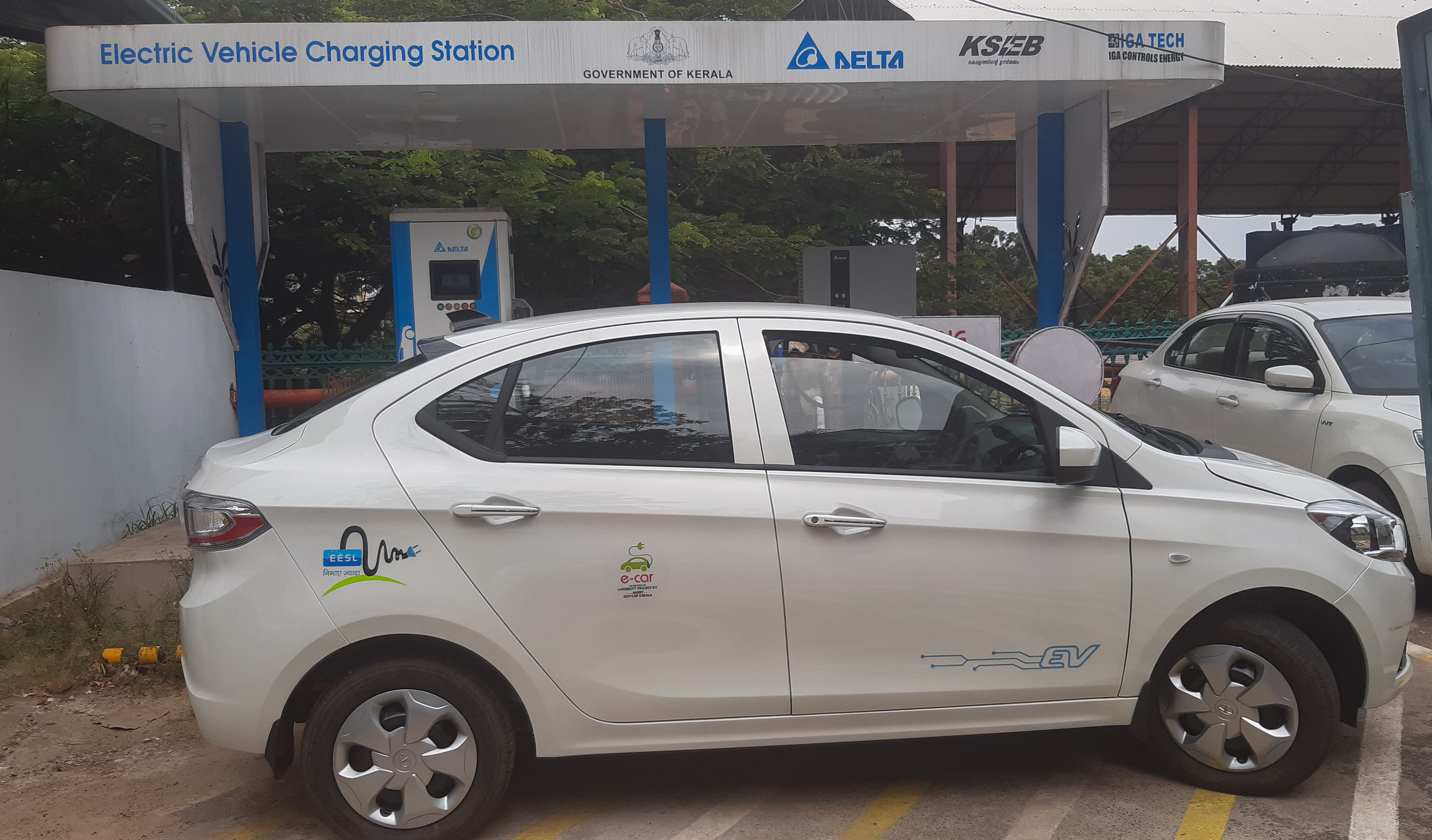
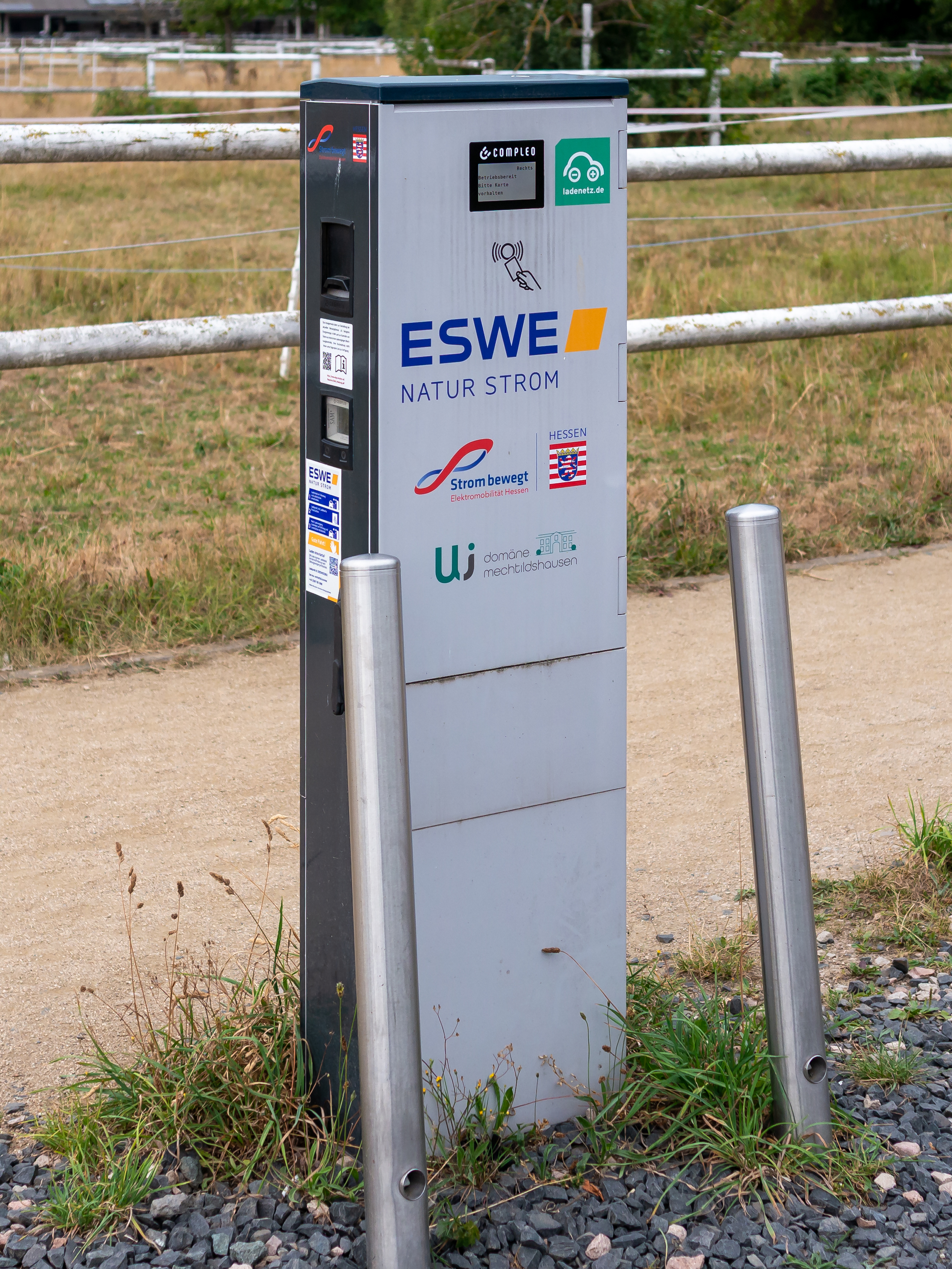
An electric car is exceptionally convenient when it sleeps beside a dependable home charger. It can be awkward when the owner depends on public infrastructure. This distinction is rarely given enough emphasis in showrooms, where charging is represented by cheerful pins on a map. A pin is not a functioning charger. It may be occupied, blocked, offline, limited by an app error or located behind a gate that closes at night.
The apartment problem is the real mass-market test
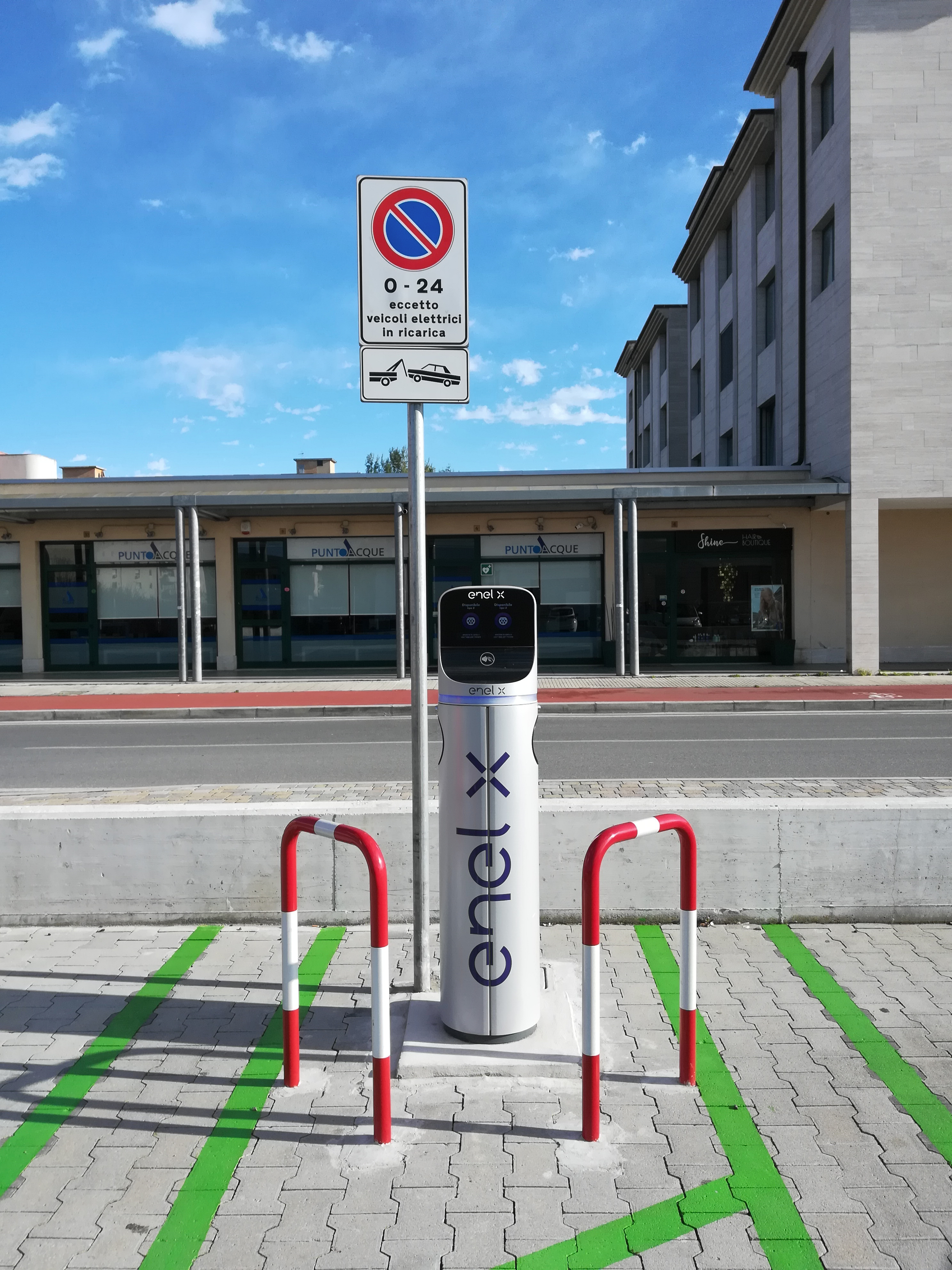
India’s EV future will be decided in housing societies, not only highway plazas. Apartment residents face questions about assigned parking, cable routes, electrical load, metering and permission from committees. These are mundane issues, which is why they matter.
States and cities need model rules requiring reasonable charging access in new buildings and a clear approval process in existing ones. Residents should pay for installation and electricity, but committees should not be able to reject safe proposals through inertia. Distribution companies need simple load-upgrade procedures and time-of-use tariffs that encourage overnight charging.
Without apartment charging, EV ownership becomes less attractive to the very urban drivers who could benefit most. Public fast charging should support trips, not substitute for every routine refill. Batteries are happiest and owners are sanest when most charging is slow, predictable and close to home.
Reliability beats charger-count theatre
Government and industry announcements often cite charger totals. I want uptime. Operators should publish real-time status, delivered power, pricing and fault resolution. A 60kW charger delivering a fraction of that speed is not merely inconvenient; it changes journey planning.
Payment fragmentation is another needless barrier. Drivers should not require a folder of apps, prepaid wallets and repeated identity checks. Interoperable payments and roaming between networks are ordinary infrastructure expectations. Petrol pumps do not demand a proprietary account before dispensing fuel.
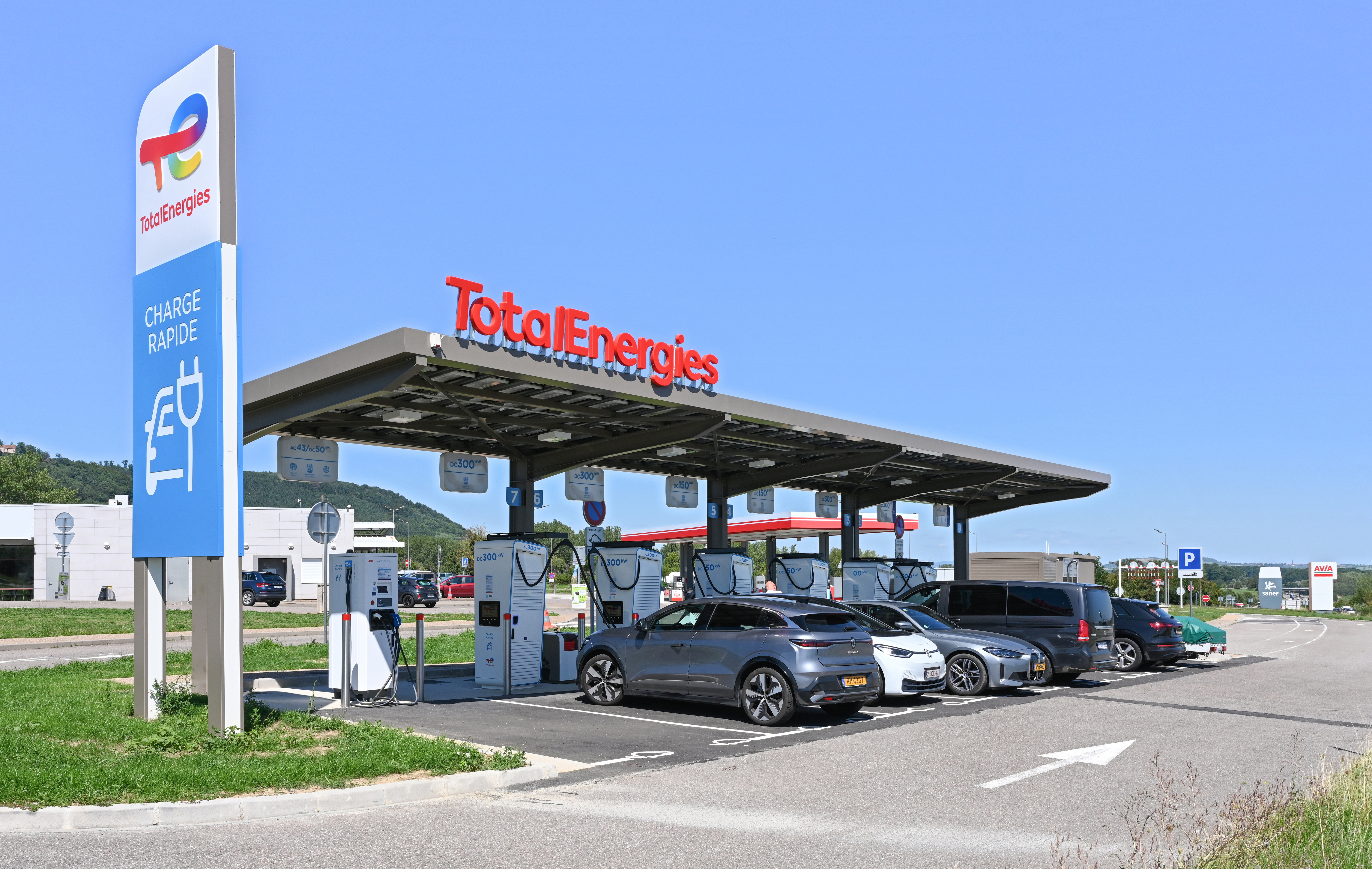
Highway sites need lighting, toilets and safe waiting areas. Charging is dwell time; location quality therefore matters more than for a quick fuel stop. A charger behind an isolated commercial building may satisfy a deployment spreadsheet while failing families travelling at night.
Range is becoming the wrong obsession
Manufacturers respond to anxiety by installing larger batteries. More range helps, but it adds cost and weight. A dense, reliable network can make a moderate battery more useful than an enormous one supported by unreliable chargers. India should not reproduce the SUV arms race in kilowatt-hours.
Buyers must examine their own pattern. If you can charge at home and drive mainly in the city, even a modest-range EV can be excellent. If you park on the street and make frequent unpredictable intercity journeys, the showroom’s savings calculation may hide considerable friction.
Battery warranties, insurance terms and repair capacity deserve equal attention. A minor collision near the battery pack can trigger expensive inspection. Technicians need training, and insurers need better data. The transition is an ecosystem change, not a motor swap.
I remain bullish. EVs are quieter, efficient in traffic and increasingly attractive to run. Rising market share proves consumers see the case. But adoption is now large enough that infrastructure excuses should expire. The next milestone should not be another sales record. It should be the first road trip on which nobody in the car discusses the charger.