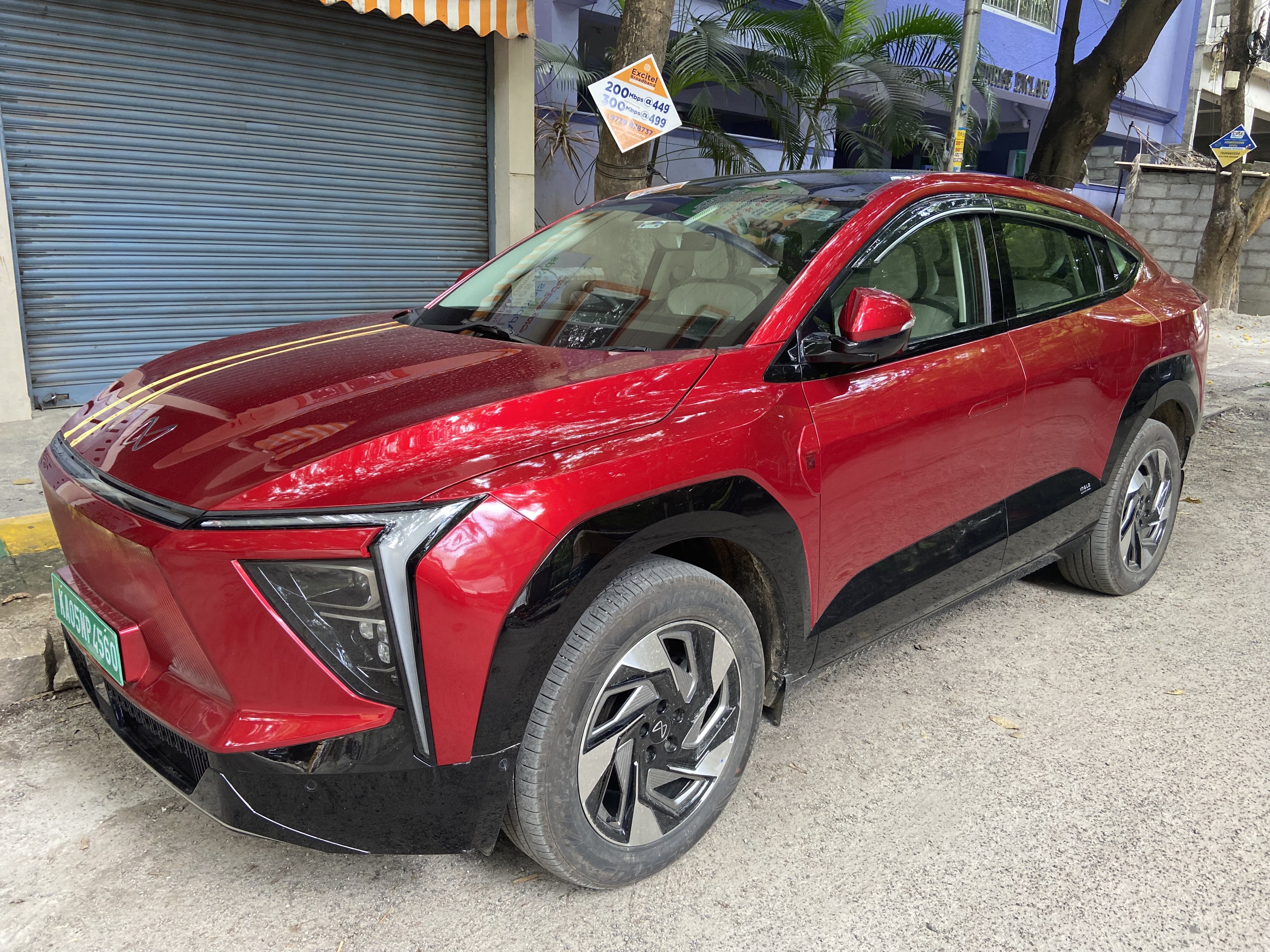
India’s electric-vehicle conversation has crossed an important threshold. We are no longer debating whether EVs can sell. They are selling. The harder question is whether the charging network can become boring, dependable infrastructure before frustrated owners decide that every highway trip requires the planning staff of a small expedition.
September’s retail figures showed broad growth across electric two-wheelers, three-wheelers and passenger vehicles. Autocar Professional’s report on FADA data recorded more than 333,000 electric vehicles across the covered categories. That is not an enthusiast niche. It is a service obligation.
A pin on a map is not a working charger
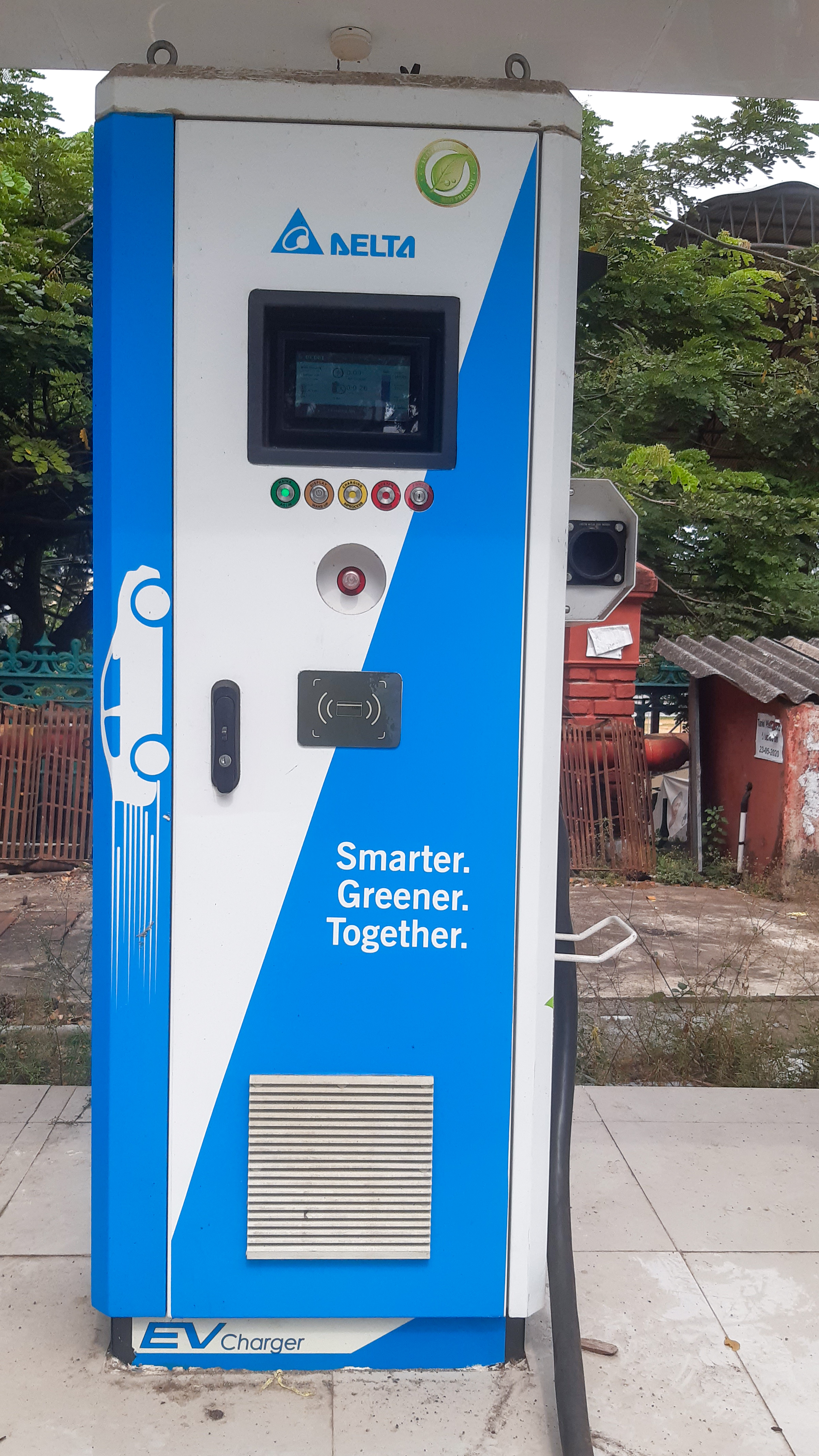
Infrastructure announcements count sanctioned or installed chargers. Drivers care about successful sessions. Is the connector working? Does the app recognise the station? Can payment be made without creating another wallet? Is the bay occupied by a combustion car? Does the charger deliver anything close to its advertised power?
A network can look dense on a dashboard and remain fragile in practice. If a highway stop has one fast charger and it fails, that location effectively has none. Petrol stations contain multiple dispensers because redundancy is ordinary infrastructure design. EV policy should adopt the same logic.
The government’s PM E-DRIVE framework includes charging infrastructure within a broader adoption programme. I support that public role. Early networks produce benefits that no single operator can capture, particularly on lower-traffic routes. But subsidy should follow uptime, utilisation and service quality, not merely installation.
Operators receiving support should publish machine-readable live status, pricing and connector information. Independent audits should test random stations. Payments must work through interoperable QR or card systems without compulsory memberships. A driver should not need five applications and four prepaid balances to buy electricity.
Home and workplace charging do the heavy lifting
Public fast charging receives attention because it is visible. Most private electric cars are cheapest and easiest to own when charged slowly where they remain parked. Apartment rules, electrical load and parking rights are therefore central EV policy, not housing trivia.
States need model regulations allowing residents to install safe chargers in assigned parking spaces, with clear metering and fire standards. Distribution companies should offer predictable processes for load upgrades. Housing societies require technical guidance so legitimate safety concerns do not become indefinite vetoes.
Workplaces and commercial parking can absorb daytime renewable generation and serve drivers without home access. Incentives should reward shared chargers with transparent pricing rather than expensive units locked behind corporate gates. Two- and three-wheelers need different solutions from large cars; one policy template will waste money.
Battery swapping may work for standardised commercial fleets, where utilisation is high and packs are professionally managed. I remain sceptical of presenting it as a universal answer. Ownership, battery health and interoperability become complicated quickly. Let use cases determine technology.
Highways need corridors, not isolated trophies
An electric road trip succeeds when the driver has options. Chargers should be located at safe, lit sites with toilets, food and twenty-four-hour assistance. A powerful unit outside a closed compound is not meaningful infrastructure. Nor is a charger that requires a mobile signal in a coverage gap.
Planning should prioritise continuous corridors with backup sites rather than scattering one charger across politically convenient districts. Major routes can then expand outward. Operators should coordinate maintenance response, because a broken charger left offline for weeks damages trust far beyond one lost transaction.
Peak-demand charges and uncertain utilisation can make highway stations financially difficult. Government can help through time-limited viability support tied to performance. The subsidy should decline as traffic grows. Permanent support for an unreliable station merely preserves failure.
The car industry also owes buyers honesty. Vehicles advertise very high DC charging rates even though such chargers are scarce. Sales staff should explain charging curves, not just peak numbers. A car rarely sustains its maximum rate from empty to full, and charging slows sharply near the top.
Measure the experience
I want a national charging reliability index reporting uptime, successful session rates, average delivered power, payment failures and complaint resolution. Results should be visible by operator and location. Competition improves when owners can distinguish a dependable network from a colourful map.
Consumer protection must cover transparent tariffs and failed transactions. Drivers should know whether they pay per unit, minute or session before connecting. Refunds for failed starts should be automatic. Helplines need authority to reboot equipment or release a stuck connector, not merely issue ticket numbers.
The counterargument is that India’s network is young and perfection cannot be expected. I agree. I do not expect perfection; I expect the metrics to reward improvement. Counting installed hardware encourages quick ceremonies. Counting successful sessions encourages maintenance.
EV sales will continue rising because running costs, refinement and model choice are improving. Yet adoption can outrun confidence. Owners share bad charging experiences widely, and those stories influence hesitant buyers more than national totals.
The transition does not require a charger on every corner. It requires reliable home access for most daily use and dependable redundancy on major journeys. India has proved it can subsidise hardware. The next stage is less photogenic: standards, repairs, interoperability and accountability. That is the infrastructure gap nobody mentions under showroom lights.