Honda’s first serious battery-electric entry for India arrives carrying a valuable asset: trust accumulated through cars that started every morning, aged with dignity and were serviced by people who knew where the parts went. That reputation can get customers into a showroom. It cannot charge a car in a basement where the housing society has forbidden cabling.
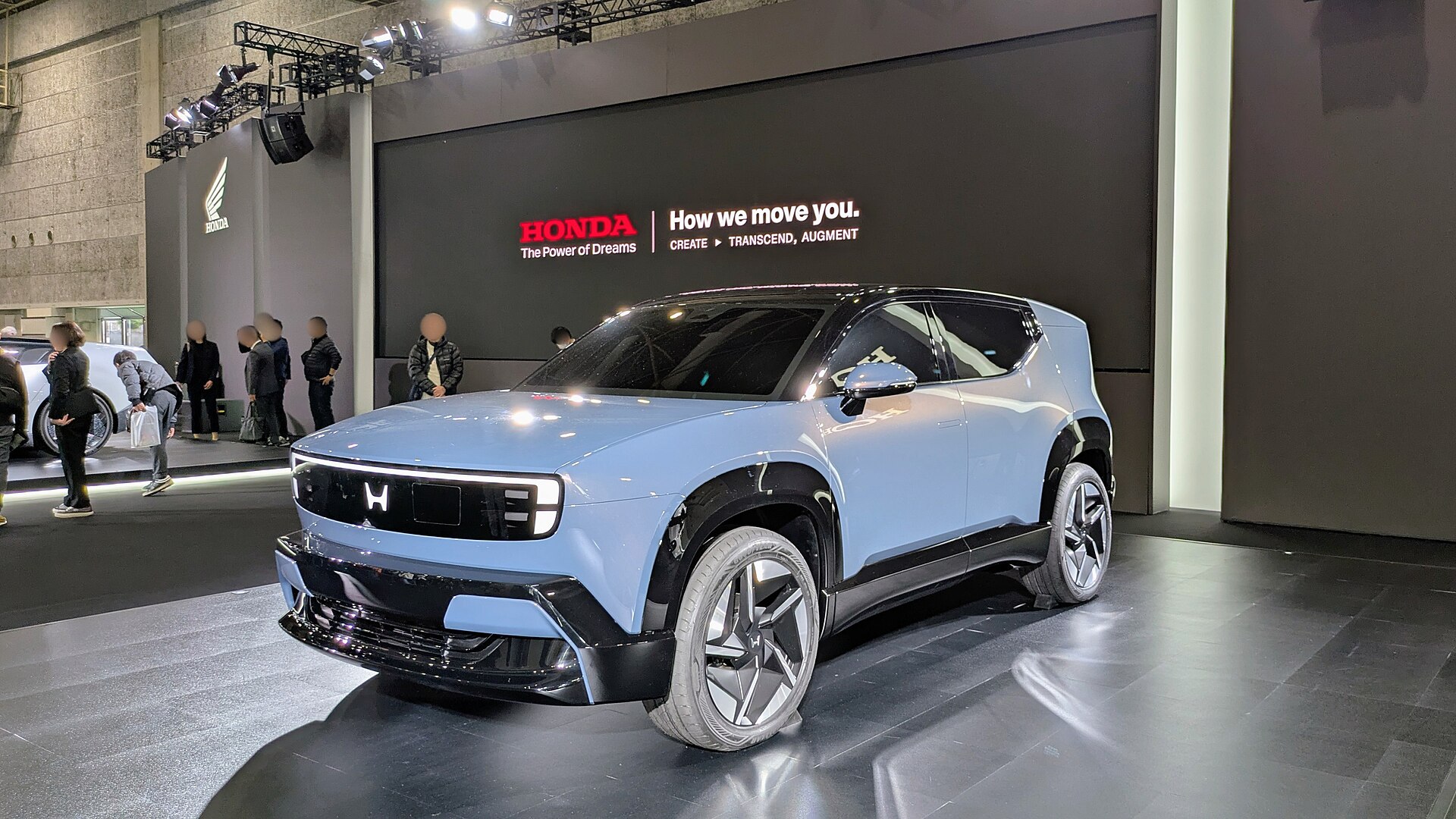
The production-spec 0 Alpha is due to make its India debut in December. Autocar India’s model page summarises what is known, while its upcoming Honda listing places the vehicle within the company’s thin but changing Indian portfolio. Technical details remain limited, which is precisely why I am reserving applause.
The product must solve Indian ownership
A claimed range figure will dominate the unveiling. I will look for efficiency in heat, battery cooling, ground clearance, tyre size and charging consistency. A 500km claim means little if highway use reduces it sharply or the charging curve collapses after a brief peak.
Honda should also explain battery warranties in plain language. What capacity threshold triggers action? How is degradation measured? Can modules be repaired, or must an entire pack be replaced? What will diagnostic access look like outside major metros? EV confidence depends on answers that rarely fit into launch graphics.
The company’s dealer network can be an advantage only if technicians, tools and spares arrive before cars do. Selling an EV in twenty cities and supporting it properly in six is not national expansion.
Home charging remains the hidden eligibility test
Showroom conversations treat home charging as a small installation detail. For many apartment residents it is the decisive barrier. Parking spaces may be distant from meters. Societies worry about load, fire and billing. Tenants lack authority to modify electrical systems. Residents with rotating parking cannot reserve a charger.
Honda should offer a pre-purchase site survey and society-support package. That means load assessment, approved installers, fire-safety documentation, metering options and a representative willing to speak to management committees. Handing the buyer a charger box is not a solution.
Public charging cannot fully replace dependable overnight charging. Networks are expanding, but uptime, payment systems and queues remain inconsistent. A charger shown on an app may be occupied, broken or trapped behind a gate. The customer experiences infrastructure as a chain; one failed link can dominate the journey.
Honda must not arrive timidly
The company has sometimes treated India with excessive caution, allowing its line-up to narrow while competitors filled segments. A single EV followed by a long silence would repeat that mistake. The 0 Alpha needs production commitment, visible marketing and rapid feedback-led updates.
Pricing matters, but I would resist an artificially cheap small battery if it makes intercity travel frustrating. Equally, a huge pack that pushes the car into luxury territory would limit relevance. Efficiency is the elegant solution: extract useful real-world distance from a sensibly sized LFP battery, then support fast, stable charging.
The counterargument says early EV buyers accept inconvenience and Honda can learn gradually. That may have been true five years ago. Buyers now compare mature products from Tata, Mahindra, MG, Hyundai, Kia and Chinese-origin manufacturers. They will not pay a pioneer tax to a late entrant.
The badge buys one chance
I want Honda to publish charging curves, seasonal range guidance and a map of service-ready dealerships. It should guarantee charger installation timelines and establish roadside assistance capable of handling depleted EVs rather than merely towing them blindly.
Government has work too. Building codes should create enforceable pathways for residential charging, distribution companies need simpler connection processes, and highway charging contracts should include uptime penalties. EV adoption cannot rely on determined individuals negotiating separately with every society secretary.
The 0 Alpha may be an excellent car. Honda understands packaging, efficiency and long-term mechanical confidence. Yet the Indian EV transition has reached the stage where the vehicle is only half the product. The other half is electricity delivered predictably at home, on highways and during repairs.
I will judge Honda’s launch not by how gracefully the car rotates under studio lights, but by whether an owner in a Pune apartment can get a charger approved, drive to Goa without app roulette and obtain a clear answer about battery health in year six. Reliability now includes the ecosystem.