
Two kinds of exaggeration dominate India’s electronics debate. Government cheerleaders sometimes speak as though every phone assembled in Noida sprang fully Indian from local sand. Cynics respond that assembly is worthless and production incentives achieved nothing. Both positions spare their owners from examining a supply chain. I find the truth more encouraging and more demanding: India has built real scale in phone assembly and exports, but that success is the entrance examination, not the degree.
The Production Linked Incentive scheme gave manufacturers a reason to expand output in India and plug the country into global production networks. The Ministry of Electronics and Information Technology’s official PLI description is unusually candid about the original disadvantages: infrastructure, logistics, finance, design capability, research and skills. Incentives can offset some costs. They cannot, by themselves, create the supplier density accumulated over decades in China and East Asia.
Assembly is real industrial capability
I reject the sneer that assembly is “just screwing parts together.” Modern electronics assembly requires quality control, logistics discipline, process engineering, yield management and a workforce trained to produce at scale. Factories create jobs and organisational knowledge. Export customers impose standards. Once a country becomes a credible assembly location, suppliers gain a reason to locate nearby.
India should take credit for moving from heavy import dependence toward large domestic production and growing exports. Apple’s supplier network expanding Indian output is not a public-relations hallucination. It represents capital, employment and diversification in a strategically important industry. The government correctly used its large market as leverage rather than accepting that phones sold to Indians must indefinitely arrive as finished imports.
But gross production value can conceal imported content. A high-priced device assembled locally contributes its full factory-gate value to impressive headlines even when many sophisticated parts originate elsewhere. The policy question is not whether assembly counts. It is how much more local capability each year of support purchases.
That requires transparent measurement. Publish domestic value addition by product category, not only units and export totals. Distinguish Indian-owned intellectual property from foreign-owned production. Report which components are locally made, which are packaged here and which remain imported. Celebrate progress without making definitions perform acrobatics.
Why Chinese brands remain formidable
Chinese smartphone brands dominate large parts of India’s market because they built more than factories. They understand price bands, retail incentives, rapid product cycles, financing and the strange psychology of specifications. A buyer entering a neighbourhood shop often encounters a salesperson who can immediately offer a device with a bright display, large battery and aggressive exchange deal. That distribution intelligence is industrial power too.
Indian brands lost ground not because consumers lacked patriotism but because products and supply chains fell behind. Nationality cannot compensate for unreliable software updates, generic hardware and weak after-sales confidence. “Buy Indian” may secure a hearing; it cannot secure a second purchase after disappointment. The durable route back is competence.
Chinese firms also benefit from component ecosystems close to headquarters and design teams. They can iterate cameras, charging systems, enclosures and displays quickly because suppliers sit within dense networks. India’s answer cannot be permanent hostility toward every Chinese input. It must be a staged strategy that absorbs knowledge, diversifies risk and builds competitive local suppliers without making Indian consumers finance inefficiency forever.
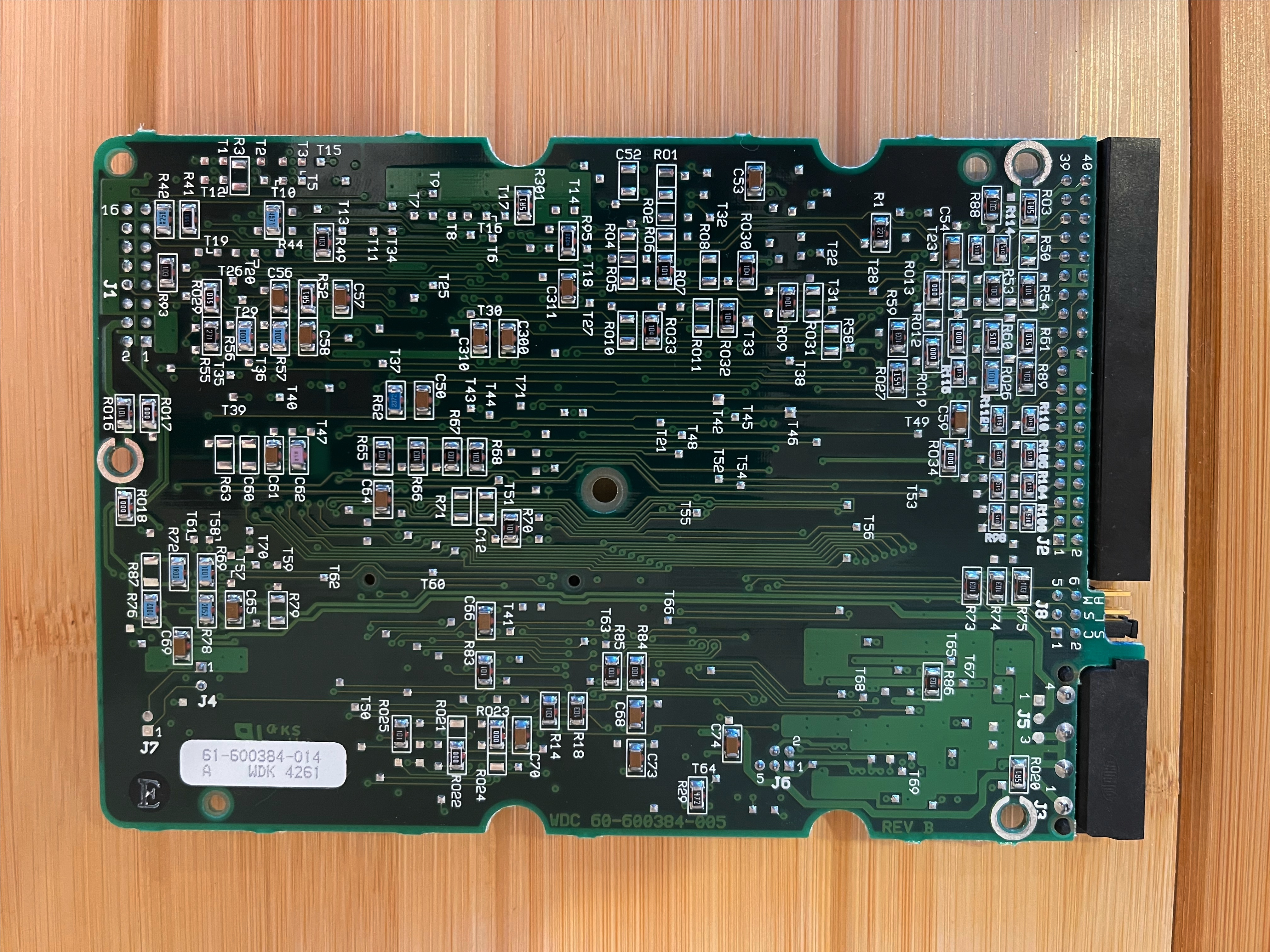
The newer Electronics Component Manufacturing Scheme points toward that deeper layer. Its official scheme portal identifies display and camera modules, printed circuit boards, passive components, cells, enclosures and production equipment among target segments. That list is important because a phone’s economic value is distributed through precisely these less visible layers.
Components need customers, not ceremonies
A component factory cannot survive on patriotic applause. It needs predictable demand, adequate scale, reliable power, fast customs processing and engineers who can improve yields. Global manufacturers will buy an Indian component when quality, price and delivery make sense. Procurement mandates can create an initial market, but poorly designed localisation rules may protect weak suppliers and raise costs.
Policy should reward capability milestones: commercial production, export qualification, customer diversity, research staffing and measurable value addition. Incentives tied mainly to turnover can encourage scale, which was useful in the assembly phase. Deeper manufacturing may require support for capital equipment, process development and patient qualification cycles. The design must evolve with the industry.
States matter enormously. Land, electricity, worker transport, housing, water and local permissions determine whether a central incentive becomes an operating factory. Competitive federalism can help, but bidding wars that provide generous subsidies without supplier plans merely move ribbon-cuttings around the map. States should build clusters with common testing, training and logistics rather than isolated monuments.
Workforce policy must move beyond counting jobs. Assembly roles are valuable, especially for first-generation industrial workers, but India also needs toolmakers, process engineers, materials specialists, industrial designers and production managers. Polytechnic curricula should be developed with factories and updated frequently. Apprenticeship rules should make training attractive without converting young workers into permanently cheap labour.
Design is where independence becomes meaningful
India’s long-term weakness is not simply the import bill. It is limited ownership of product architecture and intellectual property. A country can manufacture millions of devices while remaining vulnerable to decisions taken elsewhere about chips, operating systems, standards and product road maps. Domestic design firms, semiconductor capability and research institutions therefore matter even when their early output is modest.
I do not expect an Indian smartphone champion to appear because a minister asks nicely. Hardware brands require capital, patience and brutal attention to software support. Government procurement can help create scale for secure devices, but it should not become a sanctuary for mediocre products. Indian companies must compete for consumers who have experienced excellent screens, cameras and charging from global brands.
Repairability could become an Indian advantage. A market in which people keep devices for years needs parts, manuals and affordable service. Local component and refurbishment ecosystems can reduce waste while creating skilled work. Policy obsessed only with new production misses the economic life after sale.
Trade policy should remain predictable. Sudden duties may encourage local assembly but disrupt planning and penalise inputs not yet available domestically. A published glide path tied to realistic capacity is better than surprise protection. Firms invest when they can model policy, not when they must cultivate rumours.
Credit without complacency
The Modi government deserves credit for treating electronics manufacturing as strategic industrial policy rather than assuming services alone would carry India. PLI brought boardrooms, suppliers and states into motion. Critics who dismiss every factory as a screwdriver shop ignore how industrial ecosystems begin and how little earlier policy accomplished at comparable scale.
The government should now become stricter with its own claims. It must disclose beneficiaries, disbursements, jobs, domestic value and missed targets in accessible form. Public money buys public accountability. If a company receives incentives while importing most high-value content and leaving when support ends, the scheme has purchased temporary throughput, not an ecosystem.
Chinese brands will remain important because they offer products Indians choose. That is not a national humiliation. It is a competitive benchmark. India succeeds when local factories, suppliers and designers can serve those brands, global exporters and eventually strong Indian product companies. Replacing one dependence with protected mediocrity would be a defeat disguised as self-reliance.
I am optimistic because assembly scale changes the conversation. Ten years ago, deeper localisation often sounded aspirational. Today there are factories, exports, clusters and customers to anchor it. But optimism must not flatten the value chain. The final assembly line is visually impressive because one can photograph it. The capacitor, lens assembly, industrial tool, software stack and patent portfolio are less photogenic and often more valuable.
India has earned the right to celebrate the first stage. It has not earned the right to stop. The next decade should be judged by how much engineering, component value, design ownership and supplier resilience grow around the assembly base. Make in India will become strategically meaningful when “made” describes knowledge as confidently as location.