I no longer worry much about whether a modern long-range Indian EV can handle an ordinary week. Cars such as the Tata Curvv EV have enough usable range for commuting, errands and several days of urban driving. Autocar India’s real-world range test illustrates the distance between laboratory claims and practical use, while its long-term report captures the small electronic and ergonomic failures that ownership reveals. My anxiety begins when a trip depends on a public charger. Will it be operational? Will a combustion car block it? Which app is required? Will the advertised power actually arrive? Range is now reasonably predictable. Public charging remains an appointment with probability.
A charger pin is not infrastructure
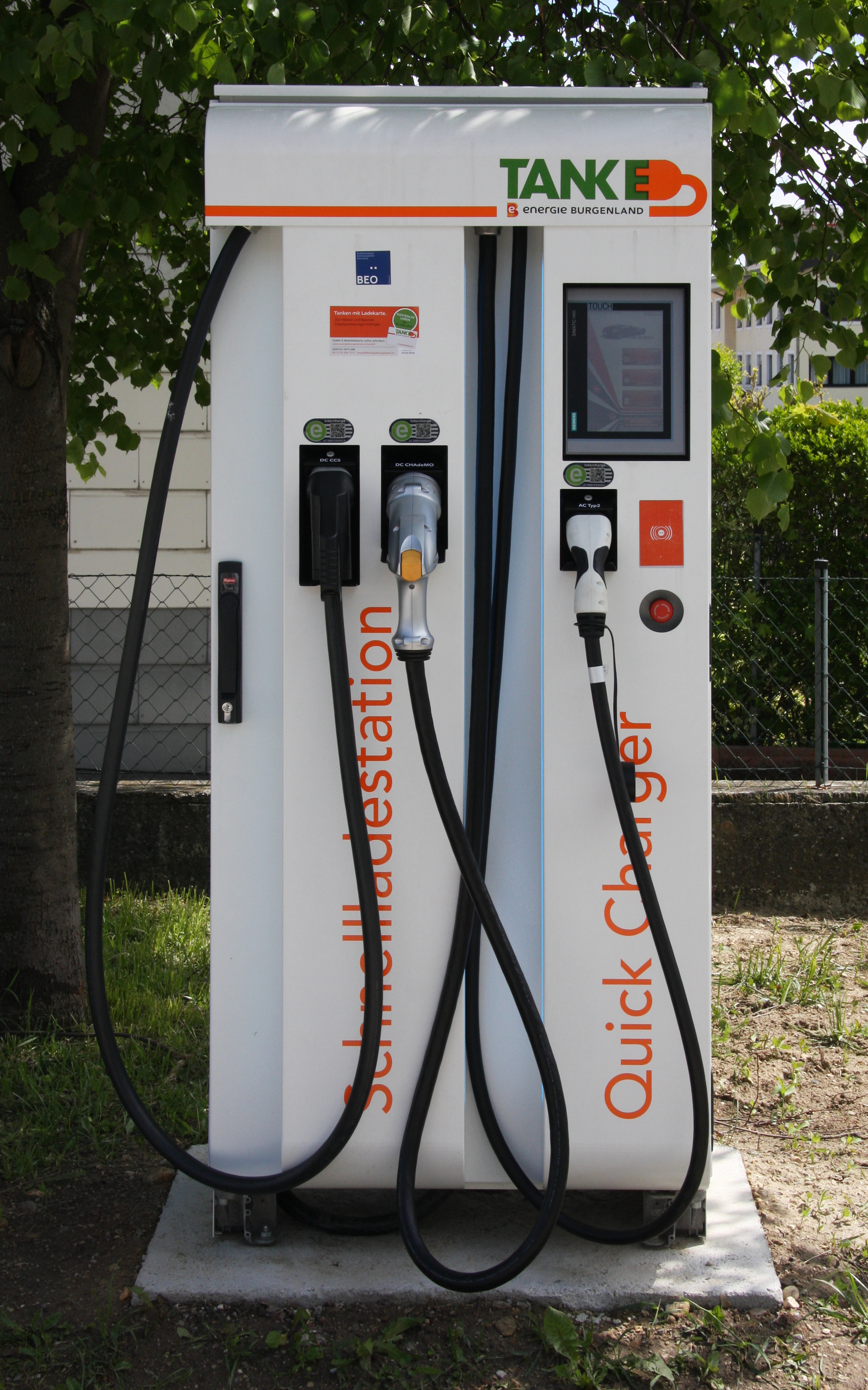
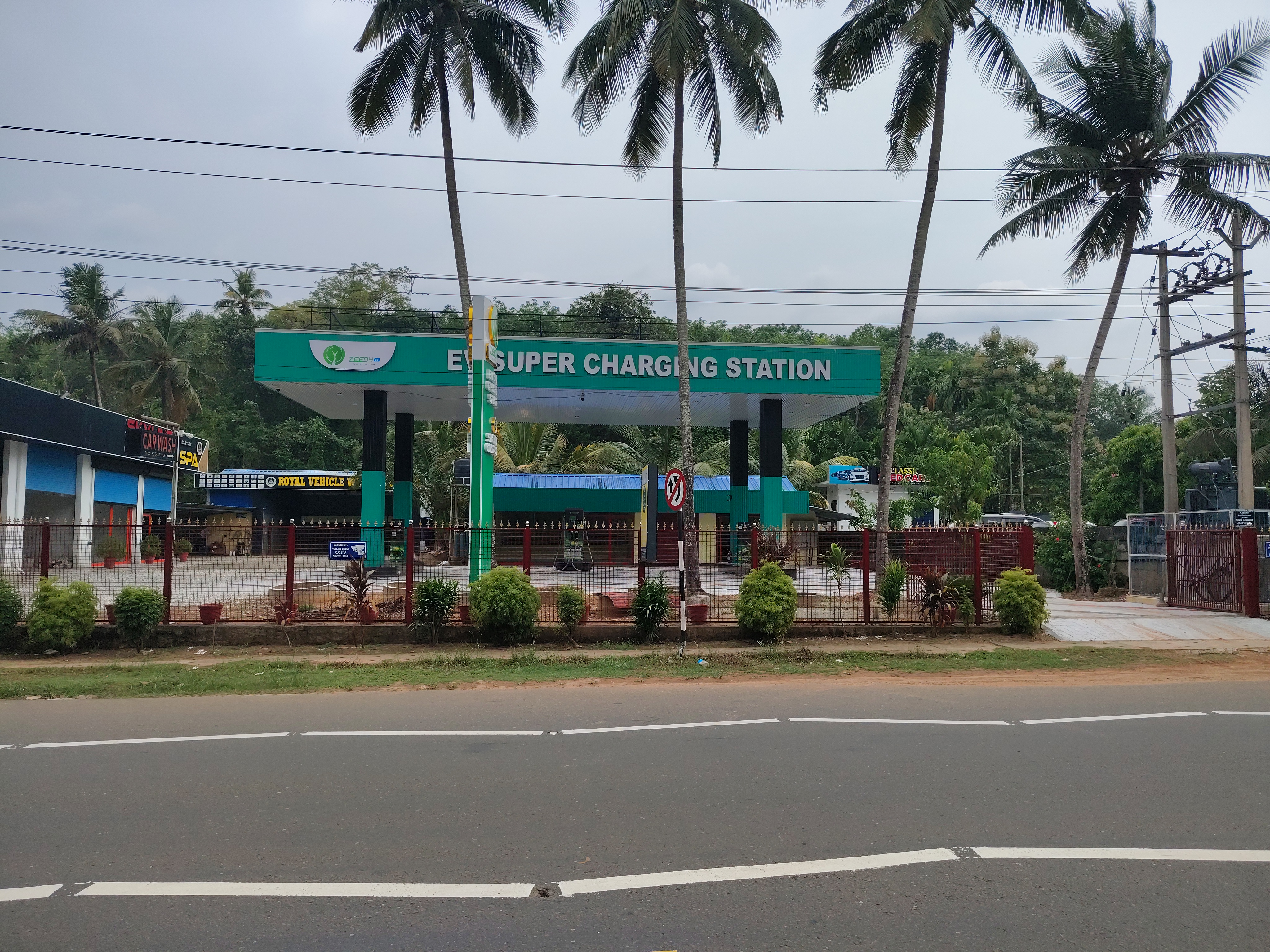
Maps create a flattering picture because they count locations, not successful charging sessions. A station can exist digitally while being switched off, inaccessible behind a closed gate or limited by a broken connector. It may deliver far less power than advertised because of vehicle limits, load sharing, heat or grid constraints. The operator may require an app with a poor login flow and a wallet balance the driver will never use again. None of these failures is dramatic enough for a launch event. Together they determine whether families trust an EV beyond familiar routes.
India needs a reliability metric visible to users and policymakers: uptime, successful session rate, average delivered power, repair time and current connector status. Operators should publish live data through interoperable systems so navigation tools can distinguish a functioning charger from a ceremonial one. Public support should be linked partly to performance after installation, not merely to equipment commissioned. Otherwise the incentive is to plant hardware and photograph it while the owner absorbs the uncertainty.
PM E-DRIVE gets the scale question right
The government recognises the infrastructure gap. The official PM E-DRIVE guidelines page includes operational rules for public charging, and the programme’s charging-station guidelines describe how support should be deployed. Public funding is justified because charging networks face a timing problem: drivers hesitate without chargers, while operators struggle to earn returns before enough vehicles arrive. The state can help bridge that gap, particularly along highways and in cities underserved by premium networks.
But scale should not mean identical deployment everywhere. Two-wheelers, taxis, buses and private cars have different charging patterns. A fast charger beside a highway restaurant serves a different need from slower overnight charging in an apartment district. Fleet depots can use predictable schedules; street-parking households require neighbourhood solutions. Grants should follow use cases and local demand rather than a national desire for impressive totals. The cheapest charger to install may be the most expensive if nobody can rely on it.
Apartment charging is the decisive battle
Most EV discussion focuses on highway travel because it produces dramatic stories. The more consequential barrier is residential access. An owner with a dedicated parking space and home charger wakes to a full battery and rarely thinks about infrastructure. An owner in an older apartment, rented home or street-parking arrangement faces permissions, wiring questions, metering disputes and resident-welfare politics. That divide risks making EV convenience a privilege of housing design.
Building codes should require EV-ready conduits and electrical capacity in new developments. Existing societies need standardised procedures that prevent arbitrary refusal while fairly allocating upgrade costs. Distribution companies should offer clear connection products and time-of-use tariffs. Fire-safety rules must be evidence-based and consistently communicated; vague fear lets committees ban charging instead of managing it. Municipalities should pilot kerbside and shared neighbourhood charging where private parking is scarce. If policy ignores housing, sales targets will collide with extension cords.
Payment should be boring
No driver should maintain a folder of charging apps, wallets and forgotten balances. Interoperable payments through UPI, cards or roaming arrangements should be the norm. Prices must be displayed before a session, including parking or idle fees. Receipts should show energy delivered and time spent. If a charger fails, refund processes should be automatic. These sound like minor consumer-experience issues; they are central to trust. Petrol stations trained drivers to expect a universal transaction. EV charging should become at least as simple.
The counterargument is that networks need proprietary apps for authentication, loyalty and charger management. They may prefer them; drivers do not owe them that preference. Operators can offer apps with useful route planning and subscriptions while retaining open payment for occasional users. A traveller whose battery is low should not be forced through account creation under a weak mobile signal. Infrastructure becomes public in character when people depend on it, even if privately operated.
The car itself must tell the truth
Manufacturers also bear responsibility. Range estimates should learn from speed, weather, elevation and recent consumption without becoming wildly optimistic after gentle city driving. Navigation should precondition batteries where supported, identify compatible chargers and estimate arrival charge conservatively. Charging curves matter more than peak numbers: a car that briefly touches a high rate may be slower over a full stop than one sustaining moderate power. Dealers should explain this instead of quoting the largest kilowatt figure available.
Long-term reliability matters because EVs replace familiar mechanical anxiety with electronic dependence. The Curvv EV long-term experience, including a failed auxiliary battery, is a reminder that a large traction battery does not eliminate small components capable of immobilising a car. Manufacturers need strong roadside assistance, diagnostic competence and software update discipline. An EV transition built on owners becoming unpaid beta testers will slow itself.
Build confidence, not merely chargers
I remain optimistic because the underlying experience is persuasive. EVs are quiet, responsive and efficient in city traffic. Home charging can be wonderfully convenient, and running costs are attractive for high-use owners. Battery range is improving faster than most daily travel requirements. The infrastructure gap is solvable with standards, data and maintenance rather than scientific breakthroughs.
The next phase should therefore be judged by successful sessions, not sanctioned plugs. Give apartment residents a workable route to charging. Make public stations report uptime. Require open payments and transparent prices. Place chargers where vehicles dwell, not only where officials can inaugurate them. Connect subsidies to years of operation. When a driver can reach an unfamiliar station with the same confidence that she can find a functioning fuel pump, India’s EV transition will have crossed its important threshold. Until then, a map full of pins is not a network. It is a promise waiting to be tested.