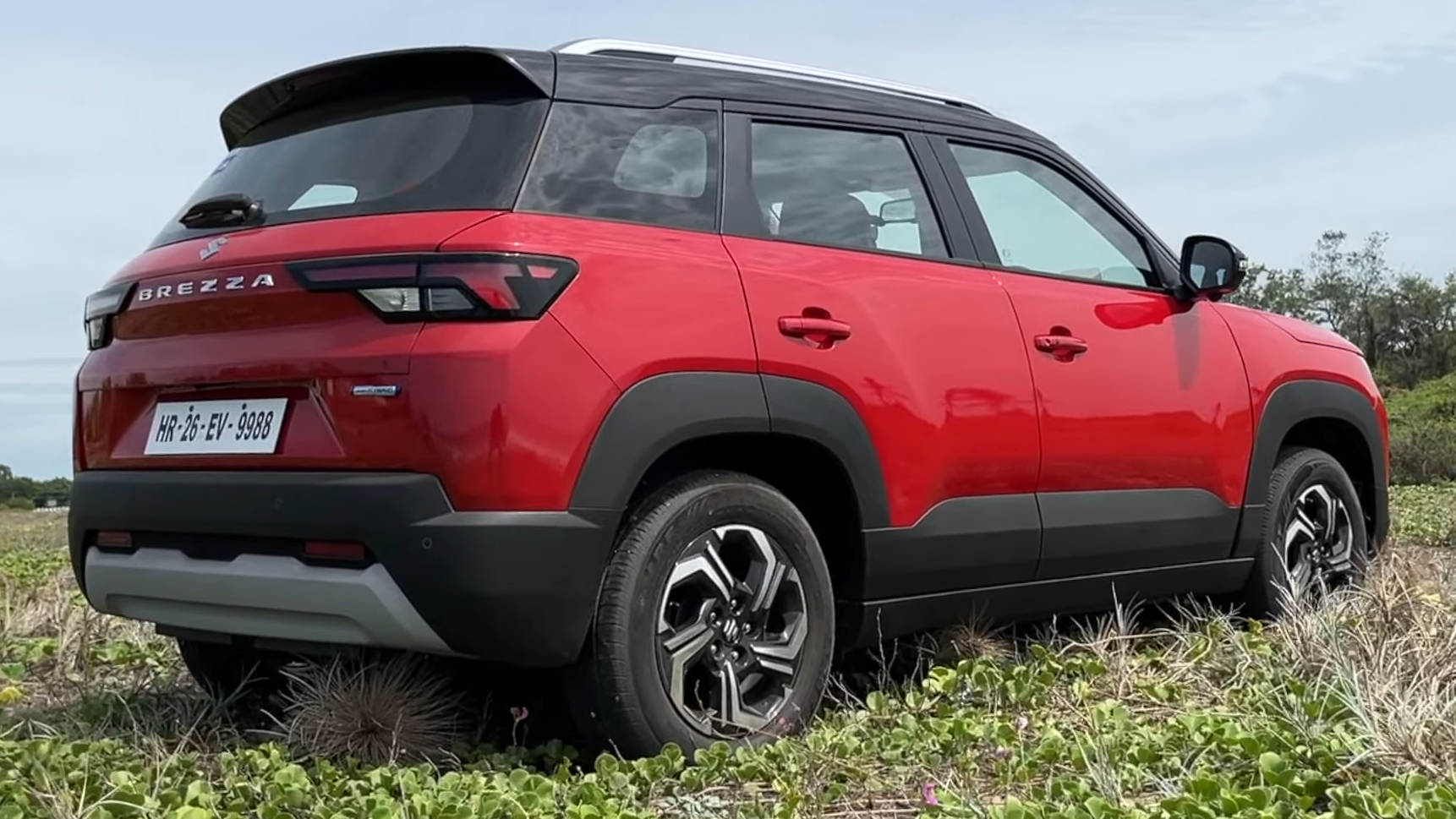

The modern electric-car showroom is a theatre of reassurance. A salesperson explains certified range, home charging, battery warranty and running cost with the serenity of someone who will not be accompanying you on a rainy highway at eleven at night. The cars have improved rapidly. The anxiety has migrated from the battery to the charger.
The government’s PM E-DRIVE framework, set out in the Gazette notification, includes support for charging infrastructure within a broader EV ecosystem. Official vehicle and policy information from the Ministry of Road Transport and Highways shows the scale of the transport challenge. Money and policy intent matter, but an installed charger is not the same as a dependable charging experience.
The map pin is not the infrastructure
Charging applications display reassuring constellations of pins. A driver needs to know whether the connector works, whether the site is accessible, whether another vehicle is occupying it, what power is actually delivered and how payment works. Too many networks treat this information as optional. A dead charger remains proudly visible on a map, inflating coverage while destroying trust.
India needs reliability reporting. Operators should publish uptime using a common definition, update status in real time and provide a functioning helpline. Public incentives should be tied partly to service levels after installation. Otherwise, schemes reward ribbon-cutting while drivers finance the troubleshooting.
Power rating also confuses buyers. A charger advertised at a high maximum may deliver much less because the car, temperature, shared cabinet or grid connection limits output. Networks should show the likely charging curve and whether power is shared between plugs. A driver planning a stop cares about minutes, not the largest number painted on the cabinet.
Location quality matters as much as hardware. A charger behind a locked gate, inside a dealership with limited hours or in a dark corner without toilets is not equivalent to a well-lit highway stop. Women drivers, families and night travellers experience infrastructure differently from a spreadsheet. Safety, food, washrooms and mobile connectivity belong in site evaluation.
Payment fragmentation is an avoidable embarrassment
Petrol pumps do not require a separate account for every oil company. EV drivers are asked to install apps, create wallets, maintain balances and surrender personal information to multiple networks. This is absurd. Chargers should accept interoperable payments through ordinary methods, with roaming arrangements allowing one account to access multiple operators.
UPI gives India an obvious advantage. A QR-based guest transaction should work without registration, while regular users can retain apps for reservations and history. Regulators and industry bodies need common protocols for authentication, pricing and receipts. Interoperability is not glamorous, but it turns infrastructure into a network.
Pricing must be transparent too. Some networks charge by energy, time or session; parking fees may be separate; idle fees may apply without clear notice. Idle charges are reasonable when they prevent a fully charged car from blocking a scarce plug, but the driver needs reliable notifications and a fair grace period. Hidden complexity recreates fuel-price anxiety in a more creative form.
Queues will become the next problem. A station with two working plugs can appear adequate until a holiday weekend produces six cars, each requiring forty minutes. Networks should publish utilisation and expand busy sites before frustration becomes normal. Reservation systems can help but may also leave chargers unused when booked drivers do not arrive. Dynamic queue information is more important than a glossy lounge.
Apartment India cannot rely on home charging
EV advice often begins with the assumption that the buyer has a dedicated parking space and permission to install a charger. Millions of urban households live in apartments where parking rights, wiring capacity and resident-welfare politics make that difficult. A transition designed around private garages will exclude much of Indian city life.
Building codes should require EV-ready electrical capacity in new construction, while existing societies need clear rules for metering, fire safety and cost sharing. One resident should not be able to impose infrastructure costs on everybody, but neither should a committee reject installation through vague fear. Standard technical templates can reduce conflict.
Workplace charging is underused. Cars remain parked for hours at offices, making slower chargers practical and less stressful for the grid. Employers, business parks and municipal lots could provide managed charging with transparent tariffs. Retail destinations can do the same, although chargers should not become a pretext for compulsory shopping.
Fleet depots offer another important route. Taxis, delivery vehicles and buses travel predictable patterns and can use managed infrastructure intensively. Electrifying high-mileage vehicles yields greater fuel and emissions benefits per battery than subsidising a lightly used private second car. Policy should keep that arithmetic in view.
The grid question is local
National electricity generation debates can obscure neighbourhood constraints. A city may have enough energy overall while a transformer, feeder or highway site lacks capacity at the needed hour. Distribution companies must be integrated into charging plans early. Delayed connections can leave expensive equipment standing idle.
Smart charging can shift demand and reduce peaks, but it requires tariffs, communication standards and consumer consent. Drivers should receive lower prices for flexible charging rather than being surprised by remote limits. Renewable-energy claims also need honesty: electrons are not individually labelled, and the environmental profile depends on time, grid mix and lifecycle.
Battery swapping may suit two- and three-wheelers or defined fleets more than private cars. India should allow multiple models to develop rather than declaring one universal answer. Standardisation helps when technically feasible, but forced uniformity can freeze innovation or favour particular firms. The target is convenient electric mobility, not loyalty to a single infrastructure ideology.
Sell the ownership scenario, not the ideal scenario
Dealers should ask buyers where they park, how far they travel, which highways they use and whether home installation is approved. Somebody without dependable overnight charging may still make an EV work, but the effort and cost must be explained. A salesperson who quotes only laboratory range is not providing advice.
Buyers should examine efficiency in different conditions, charging curves, battery warranty exclusions, roadside assistance and the manufacturer’s service network. Range matters, but predictable charging can make a smaller battery more usable than a giant battery supported by unreliable infrastructure. Cars and networks must be judged together.
I remain optimistic because the vehicles are improving and the economics already work for many use cases. But optimism is not a map. India’s EV transition will be won through boring reliability: plugs that work, payments that clear, queues that are visible, sites that feel safe and technicians who answer calls.
The showroom sells a car. Infrastructure sells confidence every day afterward. Until policy measures that second product with the same seriousness as vehicle sales, the charging gap will remain the detail nobody mentions beside the polished bonnet.