September’s electric-car sales gave India’s EV industry a deserved reason to celebrate. Autocar India reported a new monthly high and sharp year-on-year growth in passenger-EV retail in its market summary. More models, falling psychological resistance and attractive running costs are moving electric cars beyond the early-adopter circle.
Then I look at a driver circling a basement because the charging bay is occupied by a petrol SUV and remember that sales are the easy graph. The difficult transition occurs in apartment societies, highway stops, distribution networks, payment apps and maintenance contracts. An EV brochure describes range. Ownership depends on access.
Home charging divides the market
For a homeowner with a dedicated parking space and sanctioned electrical connection, an EV can be wonderfully convenient. The car charges while its owner sleeps, most daily driving begins with adequate range and public fast charging is reserved for trips. This is the ownership experience manufacturers showcase.
Millions of urban Indians park in shared basements, rented spaces, roadside slots or buildings with disputed electrical capacity. Their housing societies may fear fire, billing confusion or precedent. Landlords may refuse installation. Parking spots can change. For them, public charging is not a backup; it is the fuel network.
Policy must therefore treat residential access as infrastructure. Model apartment-society rules should establish a clear right to request charging subject to technical safety, define metering and cost allocation and prevent arbitrary prohibition. Distribution companies need standard application processes and published timelines. Fire guidance must be specific enough to reassure residents without becoming an excuse for blanket bans.
A charger on a map is not necessarily a charger
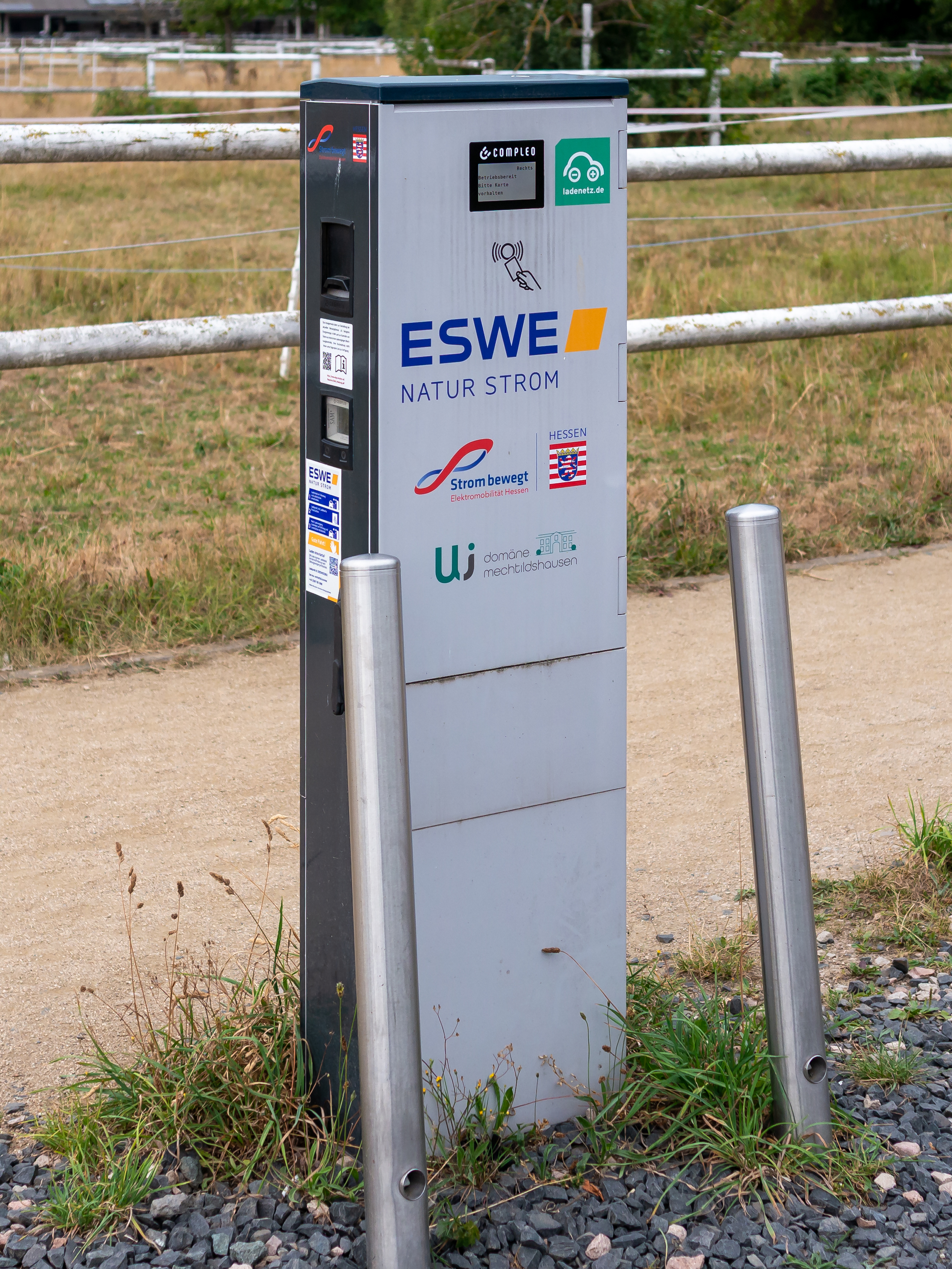
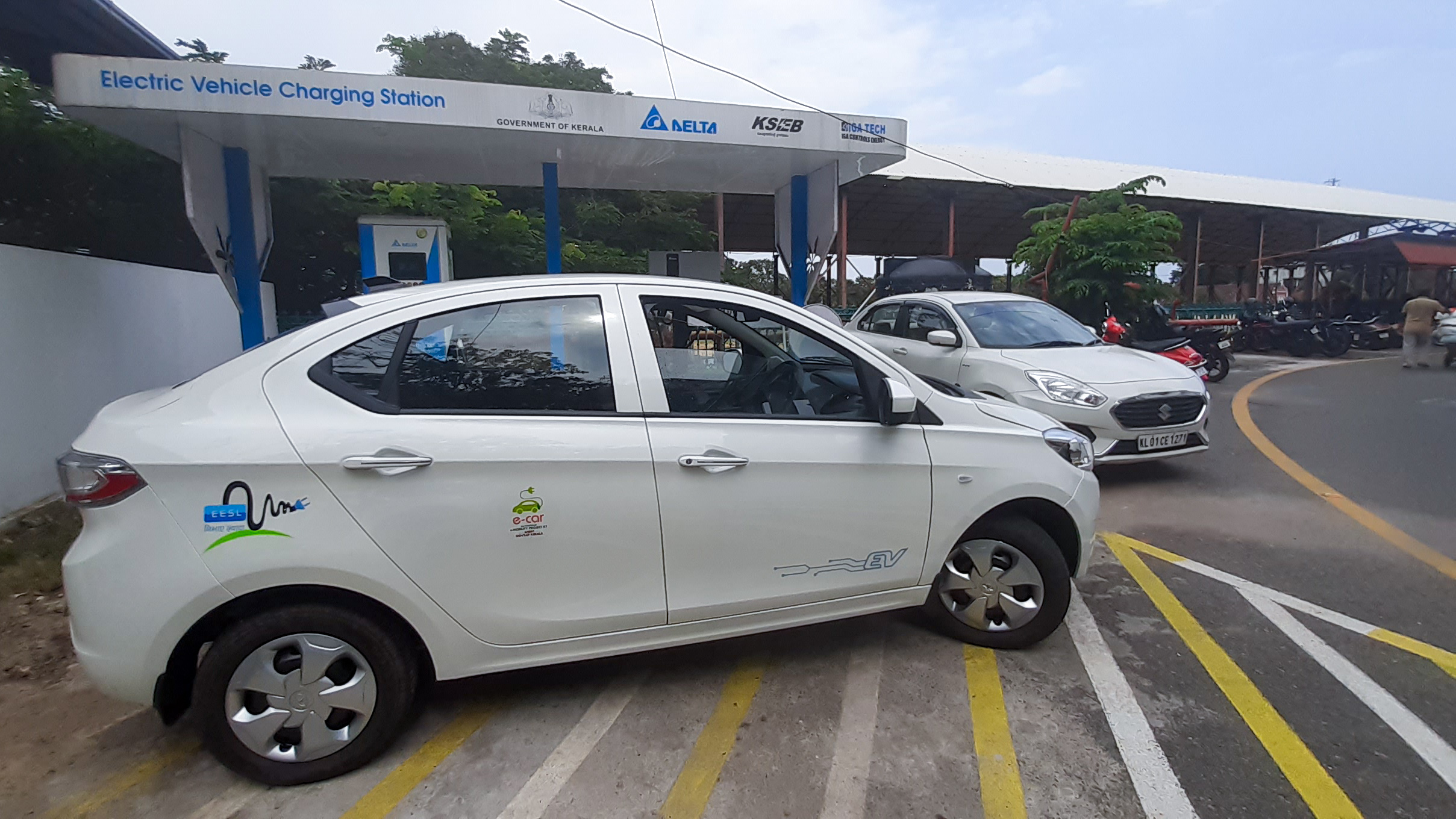
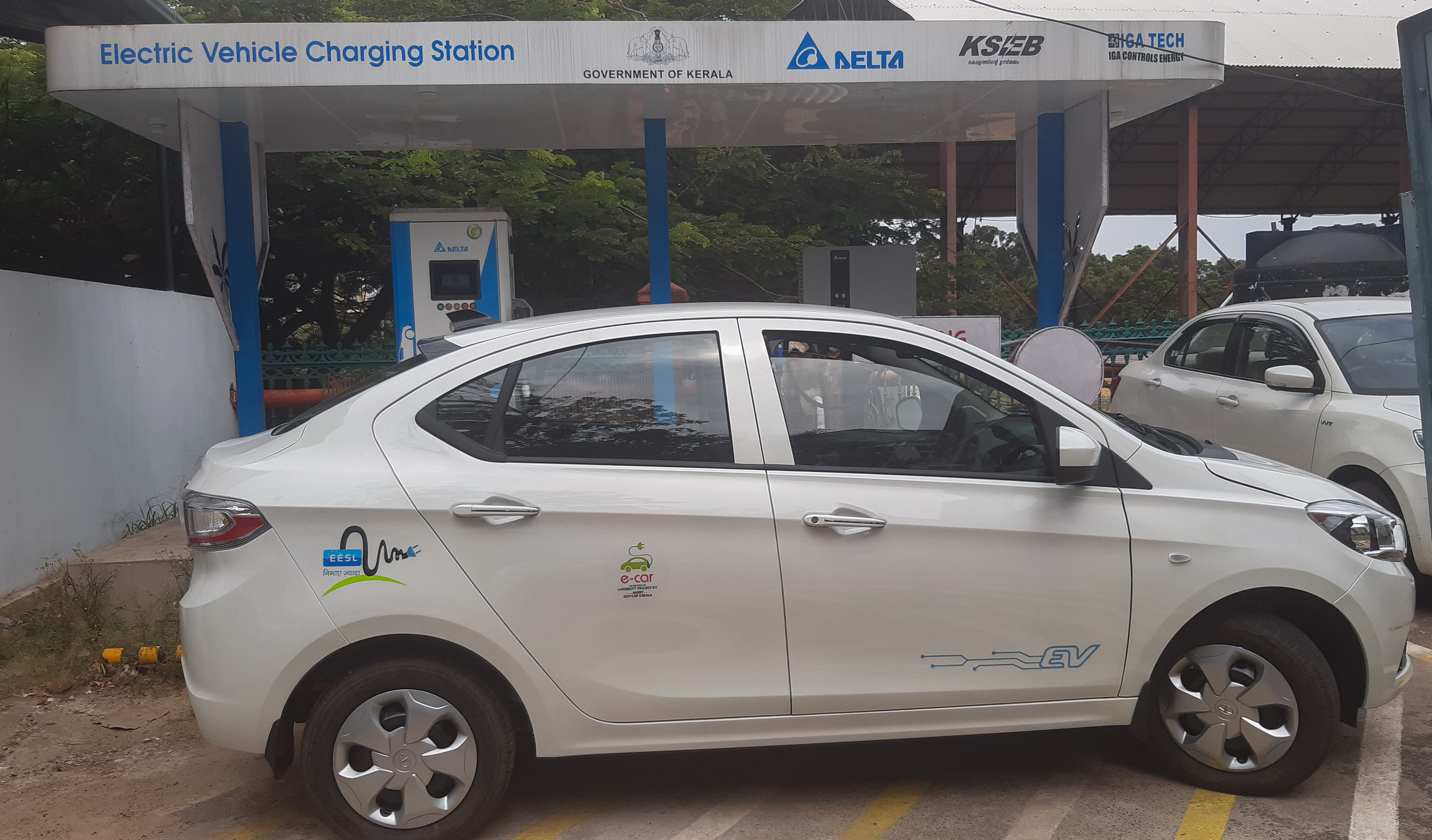
Official counts usually measure installed points. Drivers care whether a connector is working, available, compatible, accessible after dark and capable of delivering the advertised power. A station behind a locked gate at 11 p.m. is not infrastructure. Neither is a charger that fails after payment authorisation.
The government’s PM E-DRIVE framework includes charging infrastructure within a larger EV-support programme; the scheme’s Gazette notification is available through the official e-Gazette. The policy direction is sound. Implementation should now reward uptime and utilisation rather than installation ceremonies.
Public funding contracts should require live status data, minimum uptime, repair deadlines, transparent tariffs and penalties for persistent failure. Operators should expose data through interoperable systems so drivers need not maintain six apps and prepaid wallets. Payment by common methods—UPI, card or roaming account—should be ordinary.
Highways need clusters, not lonely plugs
A single charger at a highway restaurant creates fragility. If it fails or is occupied, the next option may sit beyond comfortable range. Charging hubs need multiple dispensers, lighting, toilets, food, security and space for queues. They should account for holiday peaks rather than average Tuesday utilisation.
Grid connection and demand charges can make lightly used highway sites difficult businesses. Government support may be justified during the early network phase, but subsidies should decline as utilisation rises. The goal is a competitive service network, not permanent dependence.
Signage also matters. Fuel stations announce themselves hundreds of metres ahead. Chargers often hide behind a hotel or mall, located only through an app pin that sends the driver toward a service entrance. India does not need glamorous charging lounges everywhere. It needs boring, obvious, functional stops.
Sales growth changes the obligation
When EVs were rare, every inconvenience was described as an early-adopter adventure. That excuse expires as market share grows. Families buying mainstream electric SUVs and hatchbacks expect normal transport, not a community hobby requiring Telegram groups and crowdsourced troubleshooting.
Manufacturers cannot outsource the entire experience. If a car advertises long-distance capability, the brand should support route planning, charger partnerships and roadside assistance that understands battery depletion. Dealers must explain realistic range variation with speed, temperature, load and terrain. Hiding caveats may secure a booking and lose a customer for the next decade.
Battery warranties require clearer language too. Capacity thresholds, diagnostic procedures, transferability and exclusions should be explained before sale. The second-hand EV market will depend on affordable, independent health reports. Without them, resale anxiety will raise financing costs and slow adoption among value-conscious buyers.
The transition must work for more than private cars
Private passenger EVs receive attention, but buses, two-wheelers, three-wheelers and delivery fleets can cut more urban pollution and fuel use per unit of public support. Charging design should reflect their duty cycles. A city full of premium electric SUVs sitting in congestion is not a complete mobility revolution.
Bus depots need grid planning and reliable procurement. Commercial drivers need charging locations that do not steal productive hours. Swapping can suit some two- and three-wheeler operations, but interoperability, safety and battery ownership rules must be clear.
I remain bullish on electrification because the efficiency advantage is real and India imports a great deal of petroleum. Domestic electricity and increasingly localised vehicles can improve energy security. But an EV is only as clean as the grid over its life, and policy should accelerate renewable generation, recycling and responsible battery supply alongside sales.
Count successful sessions
My preferred national dashboard would measure successful charging sessions, uptime, average repair time, peak queues, geographic coverage and residential approvals—not merely installed points. Publish operator performance. Let drivers and procurement agencies see who maintains equipment after the ribbon is cut.
Record sales tell us consumers are ready to experiment. Infrastructure must now prove it is ready for consumers. The next phase will be won not by the longest claimed range but by the least memorable charging experience: arrive, plug in, pay, leave.
That sounds unromantic. Good. Transport becomes transformative when it becomes boring. India’s EV transition will be real when a renter in an ordinary apartment can buy an electric car without first becoming an electrical engineer, society politician and cartographer. We are not there yet, whatever the sales graph says.