I judge phones at the age when launch reviewers have moved on: after the case has yellowed, the battery has lost confidence and a software update has added three features while making the settings menu resemble a municipal archive. That is the only useful perspective for most Indian buyers. A phone costing serious money must survive commutes, heat, patchy networks, banking apps and at least one relative who fills the family group with uncompressed videos.
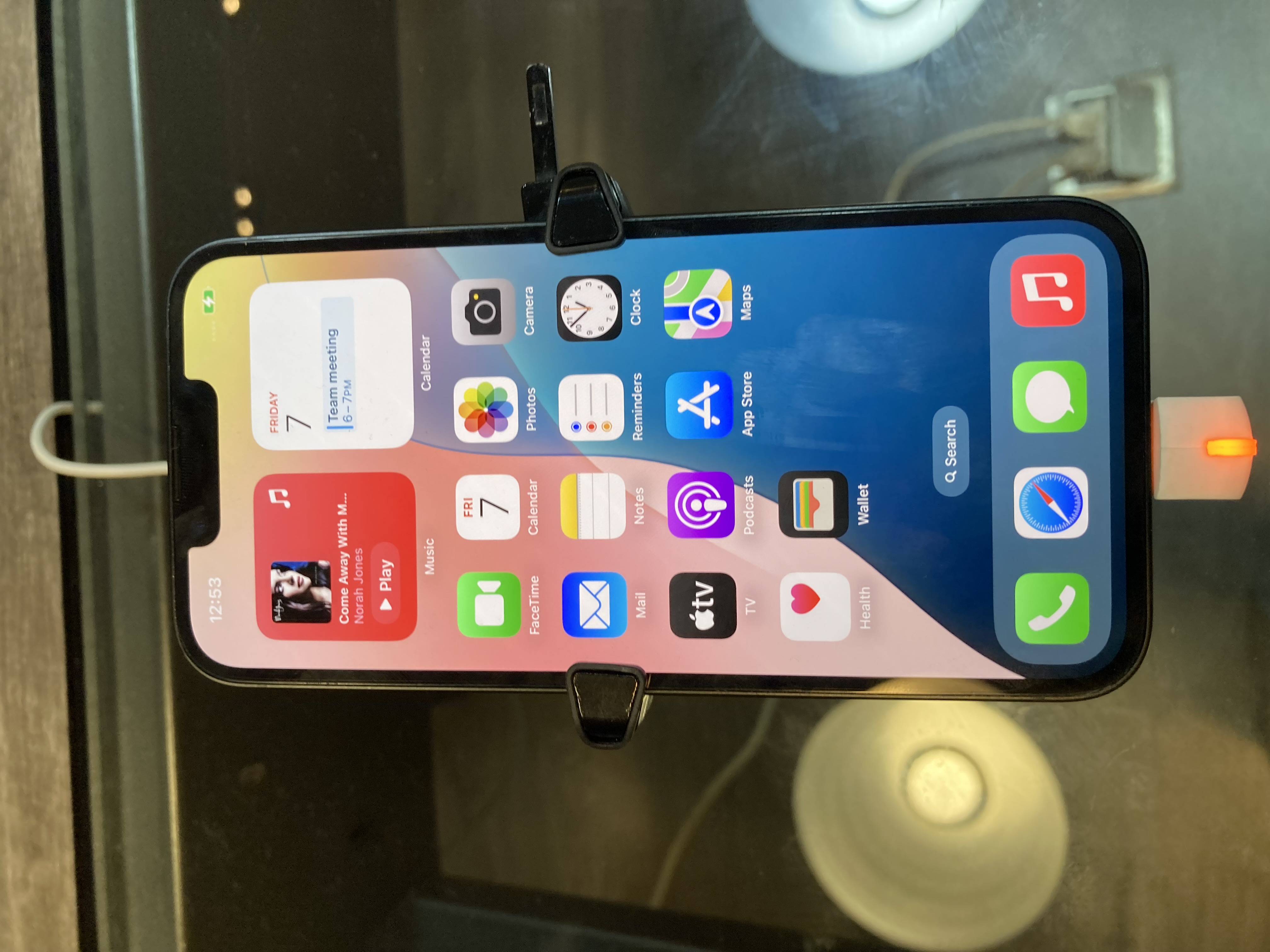
The iPhone 16e makes an unusually strong case on that long horizon. Apple’s launch announcement confirms the A18 chip, C1 modem, OLED display and 48-megapixel main camera. The company also claims exceptional battery life for a 6.1-inch iPhone. Independent specification references such as GSMArena’s device page make the omissions equally visible. My verdict is irritatingly split: this is a sensible four-year phone sold with compromises that would be cheeky at half the price.
The parts that age well
Processor headroom matters more than benchmark theatre. A fast chip today means the phone can absorb heavier operating systems, photo processing and security features later without feeling immediately obsolete. The A18 is excessive for messaging, maps and payments, which is precisely why it should remain comfortable after several update cycles. Apple’s long support history further improves the ownership equation.
The custom C1 modem is more interesting than its marketing glamour suggests. Cellular efficiency affects daily life in India because phones constantly move among crowded towers, weak indoor signals and inconsistent 5G coverage. A modem that consumes less power while searching or handing over networks can matter more than peak download numbers achieved beside a perfect antenna. I would still want years of field evidence before declaring Apple’s first in-house modem superior everywhere, but the integration benefits are plausible.
Battery life is the 16e’s strongest practical argument. People tolerate a merely adequate camera; they resent a phone that requires a 4 p.m. charger. A device that finishes a long workday after navigation, calls, UPI, photography and hotspot use creates trust. That trust is why many owners retain iPhones beyond the fashionable upgrade window.
The design also avoids some nonsense. The flat sides, manageable screen size and matte finishes are ordinary in a good way. USB-C reduces cable irritation. Face ID remains excellent when one is not wearing a motorcycle helmet, and app quality in banking and travel is generally dependable. None of these attributes produces a dramatic unboxing video. They are what ownership consists of.
The omissions are deliberate, not inevitable
Then we reach the 60Hz display. At this price, the refresh rate is not a technical limitation; it is product segmentation. Cheaper Android phones have made smoother scrolling routine. One can adapt to 60Hz, just as one can adapt to a plastic chair, but adaptation does not transform it into good value. Apple withholds higher refresh rates to protect the ladder leading to costlier models.
The single rear camera is similarly calculated. Apple calls the sensor a two-in-one system because cropping provides a 2x view. Useful, yes; equivalent to a second optical perspective, no. An ultrawide camera is valuable for cramped rooms, architecture and large family groups—common Indian uses. Omitting it makes the phone simpler and preserves the hierarchy, but buyers should not repeat the brochure’s arithmetic.
Wireless charging without MagSafe’s full accessory experience is another small irritation that grows over years. So is the base-storage question whenever users shoot video and receive endless media. Cloud subscriptions appear cheap monthly and become a quiet tax across the device’s life. A phone marketed around longevity should start with storage that respects longevity.
Repair cost is the shadow over every premium phone. A durable processor cannot compensate for an unaffordable screen replacement or battery service inconveniently located. Apple has expanded service access in India, but buyers outside large cities should check authorised options before purchase. Ownership quality is partly geographic. A product is not premium if maintaining it requires a pilgrimage.
Android offers more; Apple offers a different risk
At equivalent prices, Android competitors offer high-refresh displays, multiple useful cameras, faster charging and more generous storage. On a comparison table, the iPhone 16e can look almost comic. Yet spec sheets ignore resale value, update predictability, accessory availability and the friction of moving a family already invested in iMessage, FaceTime, AirPods or shared photo libraries.
I do not consider ecosystem lock-in a virtue, but it is a real switching cost. Apple’s advantage is that its devices usually decline gradually. Many Android brands have improved update policies dramatically, though software quality and service consistency still vary by model. The buyer must compare not “iPhone versus Android” but this iPhone against specific alternatives with documented support promises.
For someone using an iPhone 11 or older, the 16e can be a rational upgrade if discounted. The OLED screen, battery endurance, modern chip and 5G support will feel substantial. For an owner of a recent standard iPhone, it is difficult to justify. For a camera-focused buyer, the missing ultrawide should end the conversation. For a gamer sensitive to screen smoothness, look elsewhere.
I would also wait for sales. Indian smartphone pricing often bears little relation to the price most buyers ultimately pay after bank offers, exchanges and festival discounts. Launch-day urgency is a tax on impatience. Unless a phone has died, give the market several weeks to become honest.
How I would buy it for four years
I would choose enough storage, use a protective case with a raised camera lip, avoid routinely draining the battery to zero and budget for one official battery replacement during ownership. I would not buy an expensive charger merely because the salesperson displays it beside the phone. A reputable USB-C Power Delivery unit is sufficient.
I would also disable promotional notifications, audit background location permissions and keep adequate free storage before major updates. Phones often feel old because software clutter accumulates, not because the processor has become incapable. Maintenance is boring and cheaper than replacement.
The iPhone 16e therefore receives my most annoying recommendation: buy it only at the right effective price and only if its omissions do not affect your actual use. It is neither the “affordable iPhone” of advertising nor the insult some enthusiasts claim. It is a well-engineered long-term appliance constrained by a company exceptionally skilled at making buyers notice what the next model adds.
I value longevity more than launch spectacle. The 16e has the foundations to age gracefully—performance, software support and battery efficiency. But Indian consumers should not confuse longevity with generosity. Apple built a phone that can last for years, then removed just enough hardware to make many owners spend those years wondering whether they should have paid more.