I like the Tata Punch EV most when it is doing the least dramatic work imaginable: crawling through traffic, slipping into a tight parking space and returning home with enough charge that nobody discusses kilometres, kilowatts or apps. It is quiet, compact and wonderfully suited to the repetitive indignities of an Indian city. Driven this way, it makes a petrol automatic feel needlessly busy.
But there is a condition attached, and dealerships should print it in letters larger than the range figure: this car makes sense when you can charge where you sleep. If you live in an apartment where the parking association will not approve a connection, or you depend on public chargers for routine energy, I would not recommend the Punch EV. A good electric car cannot compensate for an unreliable charging life.
Home charging is not a bonus feature
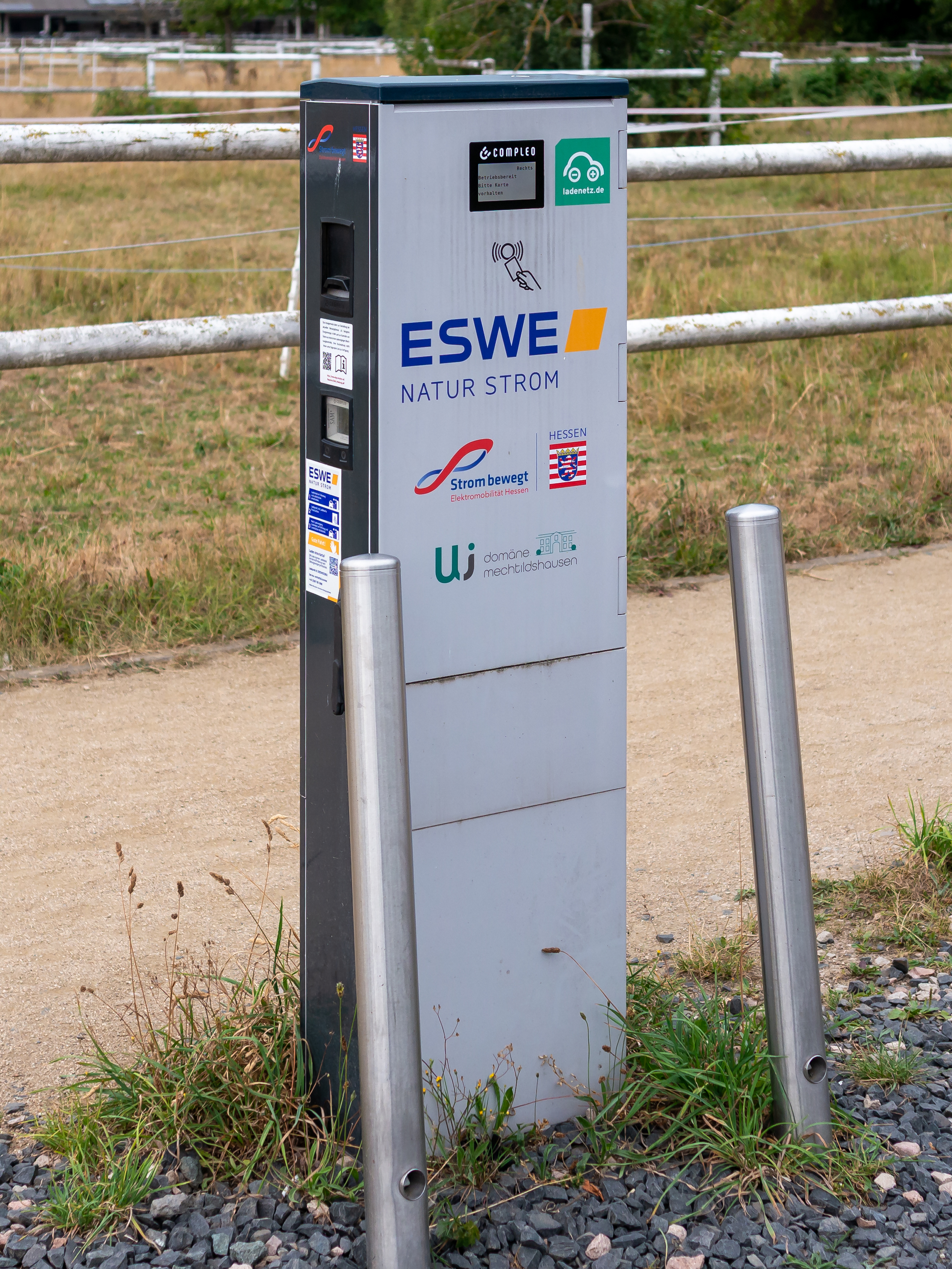
Owners with a dedicated home charger begin each morning with a predictable battery. They do not care whether a charger across town is occupied, blocked by a combustion car, hidden inside a hotel compound or refusing to speak to an app. Their vehicle charges while they eat dinner and sleep. This is the great convenience of an EV, and it is genuinely better than visiting a fuel station.
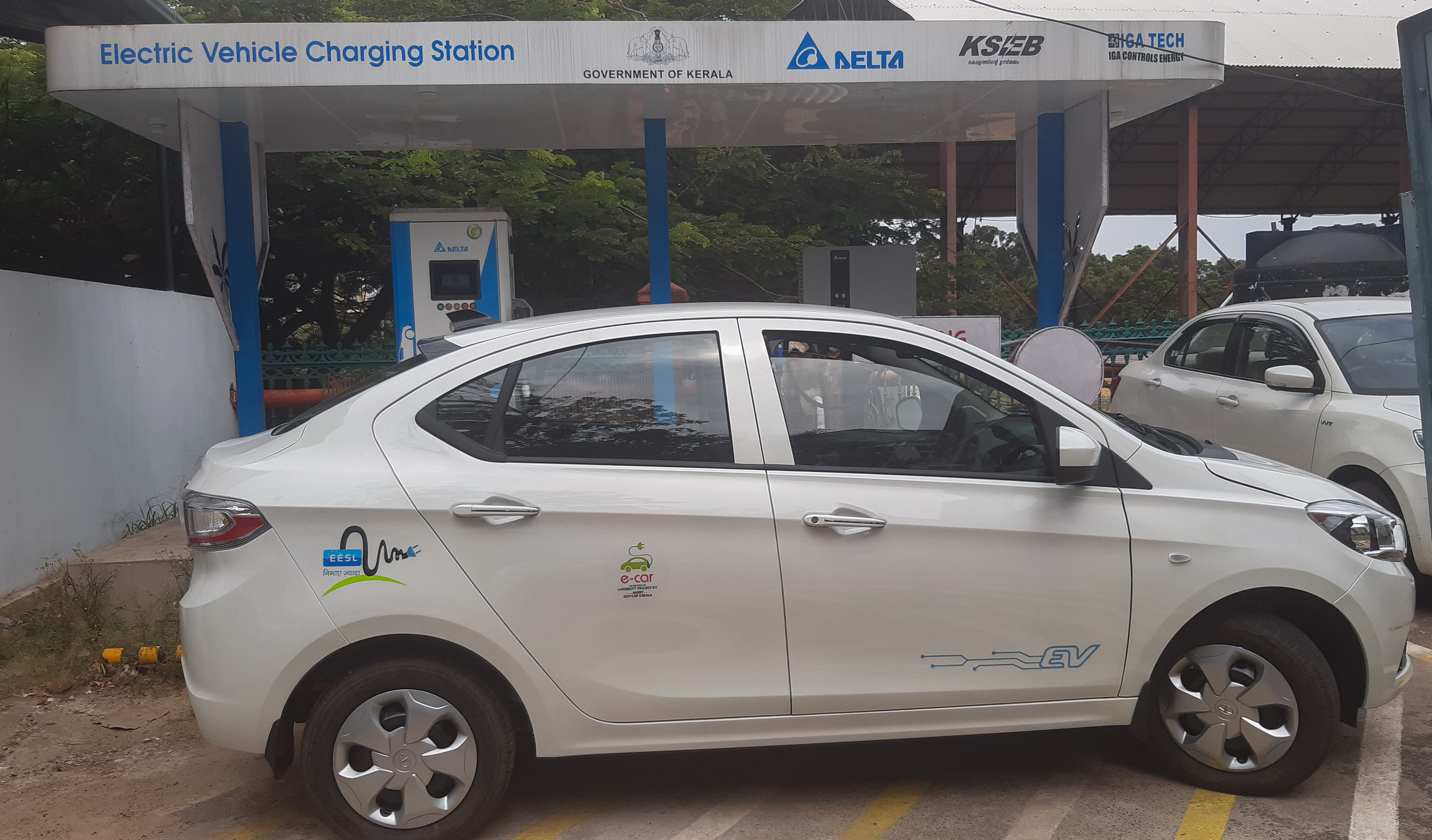
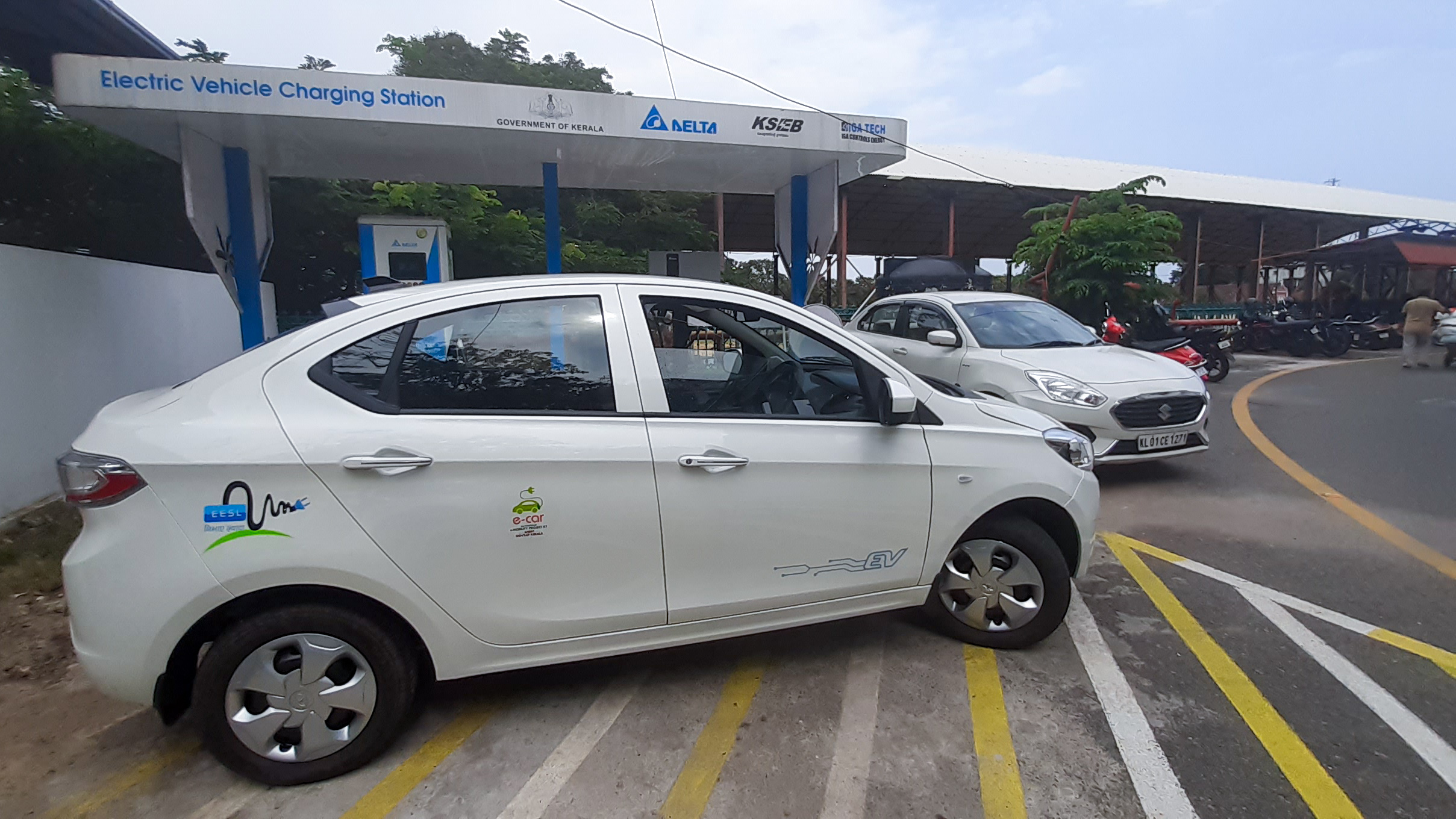
Remove that arrangement and the sales pitch reverses. Instead of saving time, the owner schedules errands around charging. Instead of one familiar payment method, there may be another app, wallet or login. Instead of ignoring infrastructure, the family has to investigate it before an intercity drive. Public fast charging is useful for occasional journeys; it is a poor substitute for a private, slow and boring nightly connection.
This is why I would settle the parking question before discussing variants or colours. A dealer saying that installation is possible is not the same as a housing society granting written permission. The useful questions are unglamorous: where will the cable run, whose meter will record the electricity, can the assigned bay be changed, and who repairs the connection when it fails? A buyer who cannot get clear answers has not yet secured home charging. A three-pin socket casually promised by a watchman is not an ownership plan either. The electrical load, earthing, protection and installation need to be assessed properly rather than improvised after the car arrives.
The Punch EV illustrates the gap between certification and ownership particularly well. In a real-world run of the earlier Punch EV, CarWale covered 259.8km before the battery was depleted. That is not evidence of deception; test cycles and real roads measure different things. It is evidence that buyers should plan around tested range, air-conditioning, speed and a reserve—not the largest numeral in a brochure.
I would start with the household’s worst routine day. Add the school diversion, the office commute, an airport run and the possibility that charging was forgotten the previous night. Then leave a reserve that prevents every unexpected errand from becoming a calculation. This is less flattering than comparing an average commute with a certified range, but it reveals which battery is actually suitable. It may also reveal that the smaller battery is perfectly adequate. Buying unused capacity has a cost in money and weight; buying too little creates needless anxiety.
The same honesty belongs in any savings calculation. Electricity at home can make everyday running pleasantly cheap, but public fast charging can cost more and demand time that a spreadsheet ignores. Insurance, installation, finance and resale uncertainty also belong in the comparison with a petrol Punch. I still expect the EV to make a strong case for a household that drives regularly and charges at home. I do not assume that conclusion for a lightly used car fed mainly by commercial chargers.
The actual car is mostly convincing
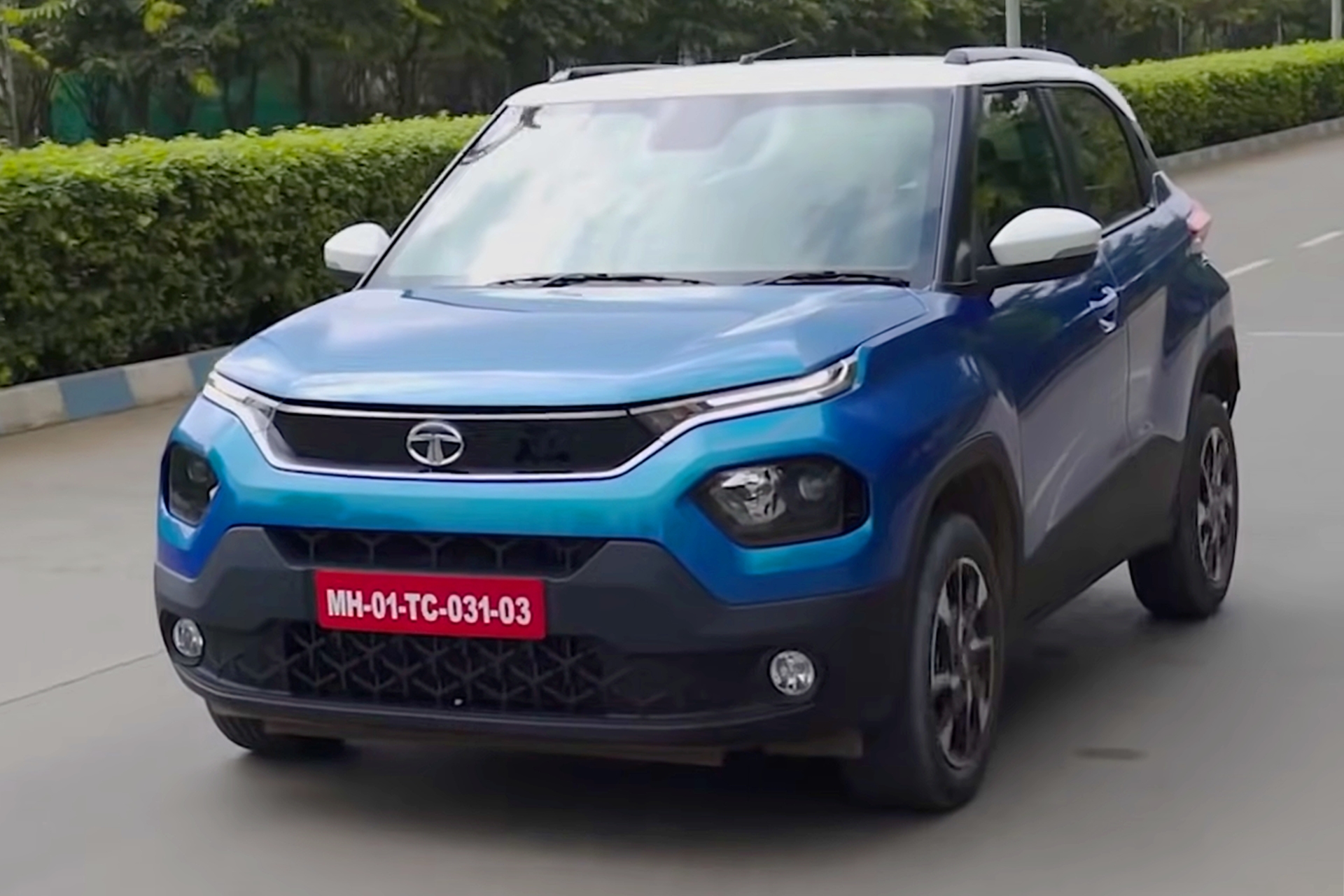
I do not want the infrastructure warning to disguise the Punch EV’s talents. Its compact footprint is right for Mumbai, Bengaluru or Pune, and the elevated seating position helps in traffic without turning the vehicle into an oversized urban costume. The ride has the toughness Indian roads demand. Electric response makes gaps easy to use, although smooth inputs are preferable to repeatedly demonstrating instant torque to passengers.
Those qualities matter because an urban EV should reduce effort, not perform technological theatre. Silent progress in a jam and immediate response at an awkward junction are benefits a driver feels every day. So is regenerative braking once the driver finds a setting that feels natural. None of them requires a weekend road trip or a lecture about saving the planet. The Punch EV’s best argument is simply that city driving feels calmer.
The cabin also feels more ambitious than one expects at this size. Unfortunately, ambition has produced too many trim combinations and toys. A sunroof does not improve an electric powertrain. Larger screens do not make a charger work. Connected features are irrelevant when the basic electronics misbehave. I would choose the battery capacity I need, the safety equipment I consider essential and the simplest trim that supplies both. Paying extra for decorative equipment while worrying about public charging is the wrong allocation of money.
Reliability deserves particular attention. In its Punch EV long-term final report, CarWale said its car suffered app-connectivity trouble, an infotainment failure and random warning signs; a service Punch displaying an auto-hold error had to be towed. One publication’s vehicles are not every owner’s destiny, but those faults are exactly the wrong kind for an EV. The mechanical simplicity of electric propulsion is not much comfort if software and low-voltage electronics can strand or distract the driver.
Tata should treat that polish as engineering, not after-sales housekeeping. India’s mass EV transition will not be won by enthusiasts willing to reboot a screen or explain away a warning light. It will be won when a parent can hand the car to another family member without issuing a troubleshooting guide.
I would therefore make the test drive less ceremonial. Pair the phone, disconnect it and pair it again. Try the cameras, charging flap, climate controls and every function buried in the screen. Ask the workshop what happens after a warning that prevents the car from starting, and whether roadside assistance can diagnose it before arranging a tow. These checks cannot predict reliability, but they show whether the local dealer answers technical questions with competence or with cheerful fog. For a new powertrain, that relationship matters almost as much as the upholstery.
Buy for your parking space, not your aspiration
My rule is blunt. If you have sanctioned, dependable home charging; mostly drive within the city; and can keep another plan for rare long journeys, the Punch EV is one of the most logical shapes for electrification. Its range need not imitate a diesel because it replenishes overnight. In that use case, even the smaller-battery version may be sufficient, provided the buyer calculates a difficult day rather than an average one.
“Another plan” does not necessarily mean owning a second car. It can mean taking a train, hiring a cab or renting a combustion car for the rare route where chargers are sparse. That is not an admission that the EV has failed. It is a rational use of different tools. But a family that makes frequent, urgent highway journeys and owns only one car should judge the Punch EV against that requirement, not against a tidy weekday commute. The exception that occurs every month is part of the use case.
If you lack home charging, do not let an optimistic salesperson turn infrastructure anxiety into a lifestyle challenge. Check your regular routes on the actual charging networks, visit the stations, and see whether they are accessible at the hours you travel. Do not assume a pin on a map equals a functioning, available charger. And do not buy an EV on the theory that your housing society will become reasonable after delivery.
I would go further and rehearse ownership before paying a booking amount. Spend a week noting every trip, where the car sat overnight and which public charger would have served it. Check whether that charger requires a detour, whether the premises remain open and what you would do if the unit were occupied. The exercise will either expose a fragile plan or make the purchase feel reassuringly ordinary. Ordinary is the goal. A city car should fit life without requiring its owner to become an unpaid charging-network auditor.
I remain enthusiastic about electric cars precisely because I refuse to pretend they suit everyone today. The Punch EV is not undermined by this distinction; it becomes easier to appreciate. With a charger at home, it is a clever city car that quietly deletes fuel-station visits. Without one, it turns energy into an appointment. No amount of touchscreen gloss can make that a bargain.