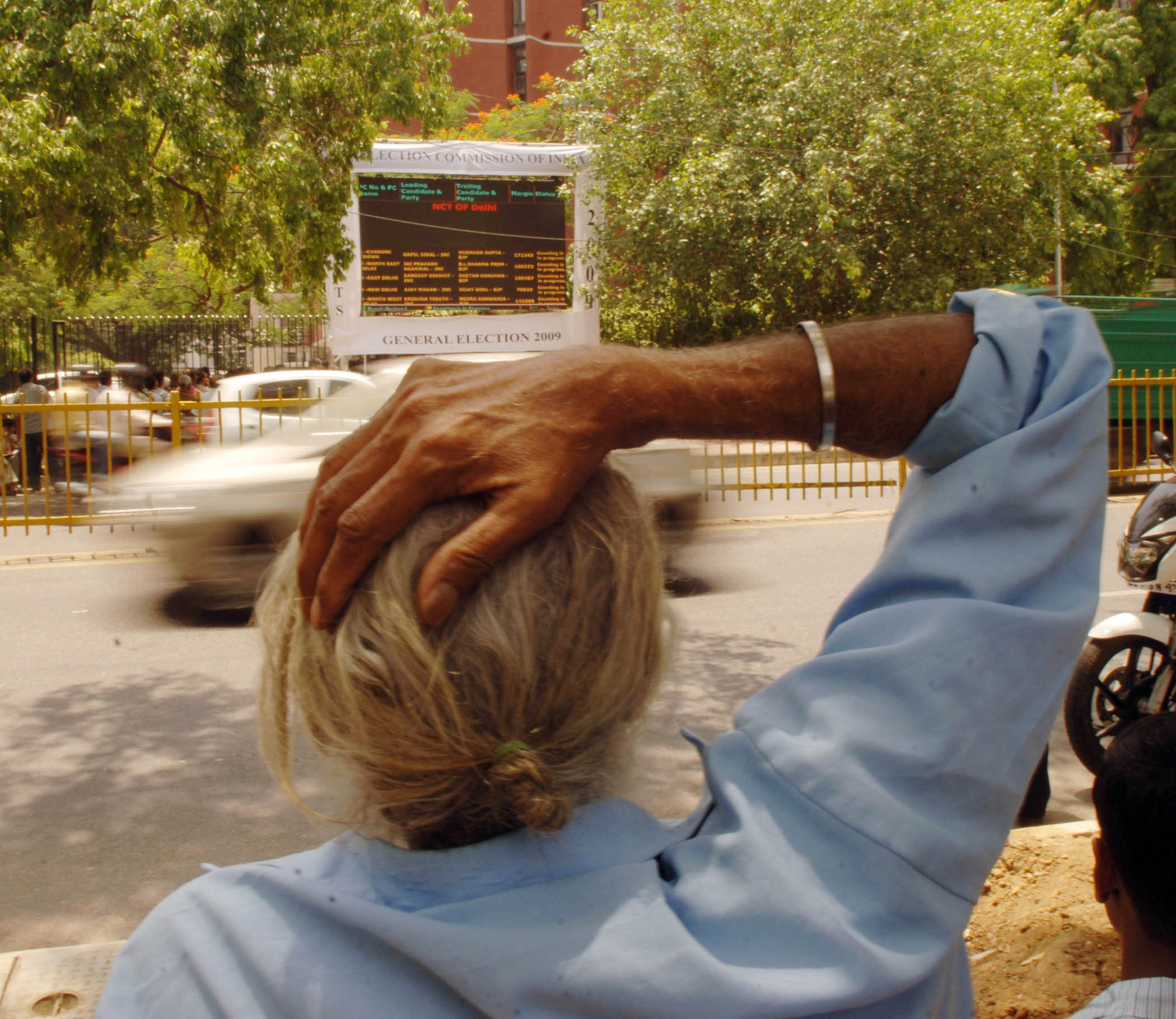
Delhi’s political class can turn a database-cleaning exercise into a constitutional funeral before lunch. The latest dispute over electoral-roll revision has followed the script perfectly: the Election Commission announces verification, opposition leaders discover the vocabulary of democratic emergency, television studios assemble solemn panels, and ordinary voters are left wondering whether their name will be on the list.
I am not prepared to accept the INDIA alliance’s insinuation that every attempt to clean an electoral roll is evidence of a plot to help the BJP. Duplicate entries, deaths, migration and address changes are real administrative problems. A roll that nobody may verify for fear of political criticism is not a democratic safeguard; it is an increasingly inaccurate spreadsheet with constitutional consequences.
But the Commission does not earn trust merely by invoking its constitutional status. It earns trust through procedures a citizen can understand and challenge. The official voter-services portal provides registration, search, correction, appeal and complaint functions. The ECI’s own explanation of revision procedures describes draft publication, claims, objections and verification. Those mechanisms are the substance of the argument. The Commission should demonstrate that they work, especially for citizens with poor documentation, unstable housing or limited digital access.
Revision is not disenfranchisement
The loudest commentary begins by collapsing two different propositions. The first is that electoral rolls require periodic correction. The second is that a particular correction exercise may be badly designed or implemented. One can accept the first and scrutinise the second. The opposition instead treats acceptance of revision itself as complicity, because a technical dispute is less useful politically than the suggestion that democracy has been stolen.
India is mobile. Workers move between states, students change cities, women often change addresses after marriage, and elderly voters die without every database being updated promptly. Some citizens register at a new address without deleting an old entry. None of this proves fraudulent voting on a decisive scale, and responsible commentators should not imply that it does. It does prove that rolls cannot be frozen indefinitely.
An intensive revision has more consequences than a routine update, so the burden on administrators is higher. Booth-level officers need realistic workloads. Notices must actually reach people. Forms should be available in local languages. A person cannot be expected to respond to a communication delivered to an address from which the state already suspects that person has moved. Appeals must be decided before polling, not preserved as a theoretical right that matures after the election.
These are serious issues. They deserve specific evidence: the number of proposed deletions, reasons by category, notice-delivery rates, claims filed, claims accepted, appeals pending and demographic patterns that may reveal unequal impact. What they do not deserve is the Lutyens habit of announcing the conclusion first—BJP conspiracy—and treating every subsequent detail as scenery.
The opposition’s credibility deficit
The INDIA alliance wants the public to believe that institutions are trustworthy only when their decisions favour the alliance. An election victory demonstrates the people’s wisdom; a defeat proves institutional capture. A court order is constitutional vindication when convenient and a dark day when not. This selective piety has exhausted many voters, even voters who are entirely willing to criticise the government.
If Congress has evidence that eligible citizens were improperly removed, it should publish documented cases, support appeals and identify recurring administrative failures. Its local organisation should be capable of checking draft rolls booth by booth. That is unglamorous political work, which may explain the preference for a march in Delhi. Cameras are more forgiving than spreadsheets.
I do not dismiss all opposition concerns. Documentation requirements can burden precisely the citizens least able to navigate them. Women may lack documents connecting birth and married names. Migrant workers may possess proof tied to another state. Tenants can struggle to establish ordinary residence. Older records contain spelling variations that make a confident computer match look absurd to the human being it excludes. A right-of-centre publication should be able to acknowledge these vulnerabilities without adopting the opposition’s theory of universal malice.
The government and BJP should also resist over-defending the Commission. The ECI is not a party department requiring daily political rescue. When BJP spokespeople answer every procedural criticism as though it were an insult to the nation, they make an independent institution appear dependent on partisan advocacy. The strongest response is data, not indignation.
Transparency can end most of this theatre
The Commission should publish district-level dashboards throughout a revision. They should show additions and proposed deletions, broken down by reason, age and sex while protecting personal information. It should report how many notices were served, how many hearings occurred and how many initial decisions were reversed. It should also release machine-readable aggregate data so parties, researchers and journalists can test competing claims.
Deletion should never be easier than restoration. Where identity is not disputed and only residence is uncertain, the system should help transfer registration rather than simply remove a voter. Citizens should receive SMS alerts where numbers exist, but digital communication must supplement physical notice rather than replace it. Every deletion order should state a reason in plain language and identify the appeal route.
Political parties, meanwhile, should deploy booth agents to examine draft rolls during the claims period. Complaining after the window closes may be excellent content but is poor representation. If parties can mobilise thousands for a rally, they can train workers to help citizens file Form 6 or Form 8. Democracy involves paperwork as well as poetry.
Independent audits would help. A statistically credible sample of additions and deletions could be checked by observers whose methodology is published. This would not eliminate partisan accusation; nothing can. It would force accusation to compete with evidence. The Commission should welcome that discipline rather than interpret scrutiny as an assault on its dignity.
A voter is not a prop
What irritates me most about the manufactured outrage is the way the citizen disappears. Opposition leaders invoke vulnerable voters as a collective symbol but rarely explain the remedy available to an individual whose entry is wrong. Government defenders cite electoral integrity in the abstract but can sound indifferent to the person standing in a queue with mismatched documents. Both turn the voter into scenery for institutional combat.
The correct standard is straightforward: every eligible citizen should be included once, at the proper place, and no ineligible or duplicate entry should remain. Achieving all four conditions is administratively difficult. Pretending that only inclusion matters invites inaccurate rolls; pretending that only purification matters risks wrongful exclusion.
I give the Commission the benefit of the doubt on the legitimacy of revision. I do not offer it a blank cheque on execution. Publish the data, make appeals real, explain anomalies and correct mistakes quickly. That is not surrender to opposition pressure. It is how an institution demonstrates confidence.
As for the INDIA alliance, it should decide whether it wants to improve the rolls or merely possess the grievance. If it has cases, bring them. If a rule is unreasonable, identify it. If a district shows an inexplicable pattern, publish the numbers. A procession demanding resignations before the evidentiary work is complete may excite the commentariat, but it does little for the voter whose name needs correction by Friday.
I am tired of being instructed that suspicion itself is proof. Democracy is not strengthened when every administrative exercise becomes a coup in instalments. It is strengthened when citizens can see the roll, challenge the state and receive a timely answer. The Commission should provide that visibility. The opposition should trade the megaphone for the register long enough to use it.